Our Veterinary Blog
Dog Spay Incision Healing Process: What Normal vs. Abnormal Looks Like
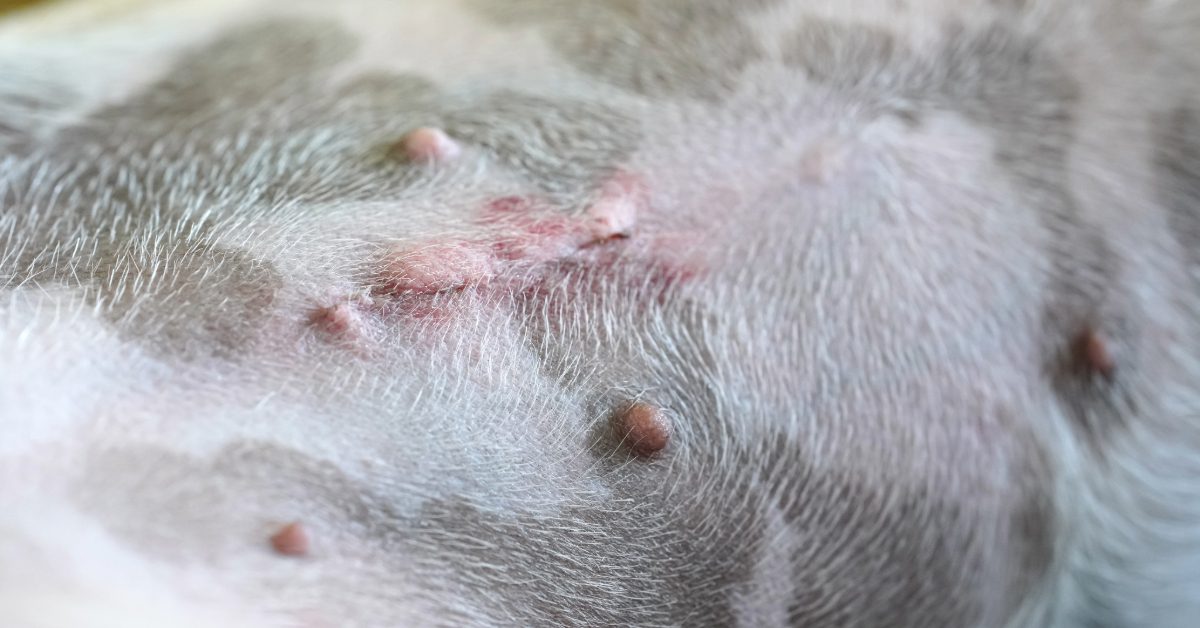
An infected and swollen spay incision on a dog typically appears red, warm to the touch, noticeably puffy around the suture line, and may produce yellow, green, or foul-smelling discharge, all of which are clear signs that something is wrong and your veterinarian needs to evaluate the wound. Knowing the difference between a normal healing incision and one that’s showing signs of infection can make a critical difference in your dog’s recovery outcome.
Most dog owners feel anxious when they first look at their pet’s spay incision. It can look alarming even when it’s healing perfectly. But there’s a big difference between the mild redness and swelling that come with normal tissue repair and the kind of changes that signal a real problem. This guide walks you through what a healthy spay incision looks like at every stage and what should send you straight to the phone to call Auburndale Veterinary Clinic.
What Is the Dog Spay Recovery Process?
The dog spay recovery process involves two overlapping phases: external wound healing and internal tissue repair. The skin incision typically seals within the first week of dog spay recovery, but the internal sutures holding deeper layers of tissue together take up to 6 weeks to fully dissolve and integrate.
During this time, the body sends increased blood flow to the surgical site to deliver healing cells, which is why the incision may look pink or slightly raised in the first few days. The spay recovery process also involves some degree of bruising, especially in dogs with light-colored or thin skin.
As the incision heals, you may notice:
- Mild swelling directly along the suture line for the first 3–5 days
- Light scabbing or crusting as the outer layers knit together
- Slight skin discoloration that fades over 7–10 days
- Occasional light seepage of clear or light pink fluid in the first 24–48 hours
These are all normal parts of the dog spay incision healing process. The incision should be improving, not worsening, with each passing day.
What Does a Normal Spay Incision on a Dog Look Like?
A normal spay incision on a dog is a clean, straight line typically 2 to 4 inches long depending on the size of the dog located on the midline of the abdomen. In the early days of dog spay recovery, the incision may look pink and feel slightly firm as inflammation promotes tissue repair.
Days 1–3: Normal Inflammation
Mild redness, minor swelling, and slight bruising are expected in this phase. The suture edges should be touching or closely approximated, not gaping open. There should be no foul odor.
Days 4–7: Beginning to Close
By mid-week, a healthy dog spay incision will appear less red and swollen. Some light scabbing is normal. The incision line may look slightly raised or bumpy due to scar tissue forming underneath, which is normal.
Days 8–14: Surface Healing Complete
A healing incision will appear pale pink or skin-toned by this stage, with minimal to no discharge. Sutures may be partially or fully absorbed if internal sutures were used. The skin should feel smooth and continuous across the incision line.
How to Keep a Dog From Licking a Spay Incision
One of the most common setbacks in the dog spay incision healing process is self-trauma from licking. Dogs instinctively lick wounds, but bacteria in a dog’s mouth can introduce infection to a surgical site, and licking can physically pull sutures open or irritate the healing tissue.
Effective ways to prevent licking include:
- The e-collar: This is the gold standard and the most reliable option. Keep it on at all times, even during sleep, until your vet clears the incision.
- Surgical recovery suits: Soft fabric suits cover the abdomen and can be used instead of or alongside an e-collar for some dogs.
- Inflatable donut collars: These are more comfortable for some dogs but may not prevent all access to the incision site; use with caution.
If your dog has managed to lick or chew at her incision, even briefly, call Auburndale Veterinary Clinic to have it evaluated. What looks like a minor disruption on the surface may involve deeper suture involvement.
Dog Spay Incision Lump Months After the Procedure: Is This Normal?
Some dog owners notice a spay incision lump months after their dog’s procedure and worry that something has gone wrong. In many cases, these lumps are benign scar tissue (also called a granuloma or seroma) that formed as the body processed the dissolving internal sutures.
What Causes a Lump at the Spay Incision Site?
The body sometimes reacts to dissolving suture material by forming a small pocket of fluid or fibrous tissue. This is especially common with certain suture types. A soft, mobile lump near the incision that doesn’t cause pain and isn’t growing rapidly is often not an emergency.
When Should a Spay Incision Lump Be Evaluated?
Have any spay incision lump evaluated by your veterinarian at Auburndale Veterinary Clinic if it:
- Appears suddenly after the incision seemed fully healed
- Is growing in size
- Is warm, red, or painful when touched
- Is draining fluid or developing a scab on top
- Your dog is paying unusual attention to it
While many lumps months after a spay are benign, it’s always worth a quick exam to rule out suture reactions, hernias, or other concerns.
Protecting Your Dog’s Spay Incision From Start to Finish
The dog spay incision healing process is mostly hands-off. Your job is to monitor it, protect it from licking, and restrict your dog’s activity. But staying informed about what an infected and swollen spay incision on a dog looks like puts you in the best position to catch a problem before it becomes serious. Our veterinary team at Auburndale Veterinary Clinic in Auburndale, FL is always available to answer your questions and see your pet if something doesn’t look right. When in doubt, call us at (863) 967-5854. A quick check is always worth the peace of mind.
Recent Posts
- « Previous
- 1
- 2
- 3
- 4
- Next »
About Us
Even long after they’re gone, we never forget our beloved pets. They make our families whole and bring so much joy to our lives. Our veterinarians and staff in Auburndale, FL know that the human-animal bond is sacred. To protect that bond, we aim to provide the highest level of medicine and the kindest, most compassionate care we can. Our goal is to help you help your pet stay healthy and happy for as long as possible. With wellness and preventative care, medical care for illnesses and injuries, routine surgery, dentistry and more, you can rest assured that all your pet’s needs are being met.