
Our Veterinary Blog
Cat Hernia After Spay: How Common Is It and How Is It Treated?
It is not common for a cat to develop a true hernia after a spay procedure, but it does happen and when it does, it’s important to have it evaluated promptly by a veterinarian, as some types of hernias can become serious without treatment. If you’ve noticed a lump or bulge near your cat’s incision site after her spay, understanding what you’re looking at and what to do next is the first step.
Post-spay lumps and bumps are one of the more common concerns cat owners bring to veterinarians after surgery. Not every lump is a hernia, but some are, and the difference matters. At Auburndale Veterinary Clinic in Auburndale, FL, our veterinary team regularly helps cat owners navigate post-operative concerns with clarity and compassion. Below, we’ll discuss what you need to know about cat hernias after spay procedures.
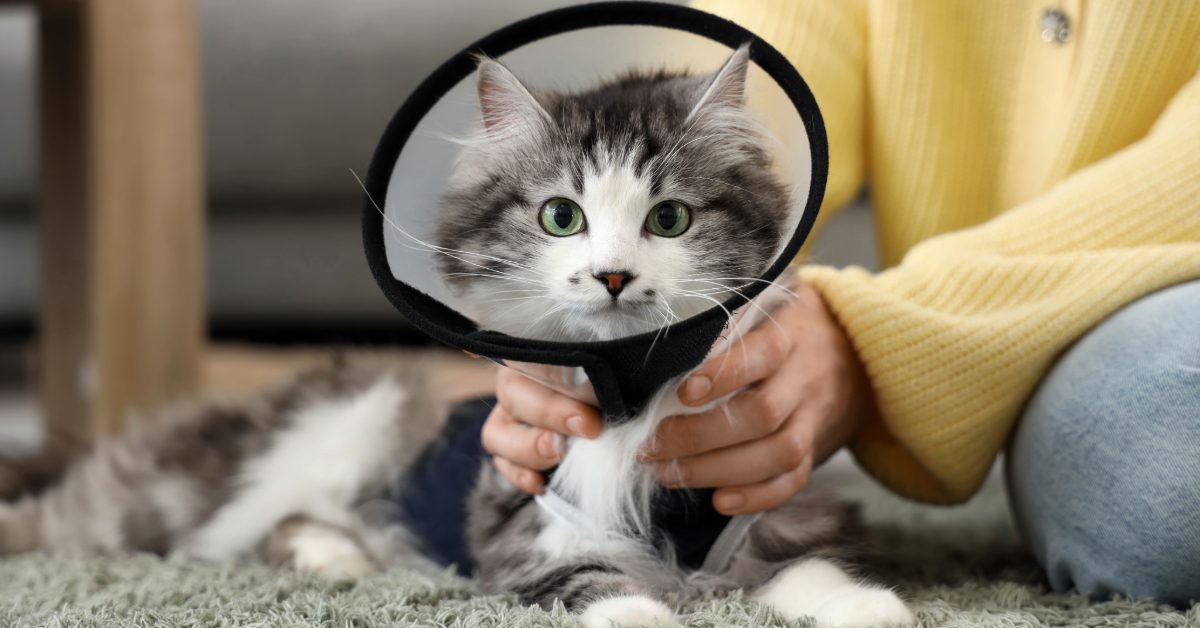
Cat Spay Incision Lumps
Not every lump you notice near a cat spay incision is a hernia. Cat spay incision lumps are common, and they have a range of possible causes; some benign, some requiring medical attention.
Common causes of a cat spay incision lump include:
- Seroma: A pocket of fluid that collects beneath the skin; the most common cause of a soft lump after spay surgery
- Suture reaction: A small granuloma or nodule that forms as the body processes dissolving suture material
- Hernia: A protrusion of abdominal tissue or fat through a gap in the muscle wall at or near the incision site
- Abscess: A pocket of infection that requires immediate veterinary attention
The challenge for cat owners is that these lumps can look quite similar from the outside. That’s why any new or changing lump near a cat’s spay incision should be evaluated by your veterinarian rather than monitored indefinitely at home.
Hernia vs. Seroma After a Cat Spay: What’s the Difference?
Understanding the difference between a hernia and a seroma after a cat spay helps clarify what kind of follow-up your cat needs.
What Is a Seroma?
A seroma is a collection of sterile fluid, mainly serum, that accumulates in the space left behind after surgery. After a cat spay, seromas are relatively common and typically develop within the first 1–2 weeks. They feel soft, fluid-filled, and may fluctuate slightly in size. Seromas are not usually painful and are often reabsorbed by the body on their own.
What Is a Cat Hernia After Spay?
A cat hernia after spay occurs when the internal sutures that close the abdominal muscle wall fail or weaken, allowing a portion of fat, omentum, or even intestinal tissue to push through the opening. Hernias may feel firmer than seromas, and they may enlarge when the cat stands up or strains.
The key difference is what’s inside the lump:
- Seroma = fluid under the skin
- Hernia = tissue protruding through the muscle wall
Your veterinarian can often distinguish between the two on physical exam, and ultrasound may be used to confirm the diagnosis.
What Does a Hernia After a Cat Spay Look Like?
A hernia after a cat spay typically appears as a soft to firm bulge at or near the midline abdominal incision. It may look like a small bump that appeared days to weeks after surgery after the area initially seemed to be healing normally. Some cat hernias after spay are small and easy to miss; others are quite visible, especially when the cat is standing.
Post-spay hernias are sometimes described by owners as:
- A soft or doughy lump directly at the incision line
- A bulge that seems to “come and go” depending on the cat’s position
- A rounded protrusion that looks different from the rest of the incision
Not all hernias after cat spay procedures are the same. A small hernia involving only abdominal fat is generally lower urgency than one that contains a loop of intestine, which can become life-threatening if the tissue loses its blood supply.
Symptoms of Hernias After a Cat Spay
Recognizing the symptoms of a hernia after a cat spay early allows for prompt treatment before the situation becomes an emergency.
Signs that may indicate a cat hernia after spay include:
- A new lump or bulge at or near the spay incision site
- A protrusion that appears days to weeks after surgery
- Swelling that doesn’t resolve or that grows over time
- Your cat showing signs of abdominal pain such as hunching, reluctance to move, vocalizing when touched
- Loss of appetite, lethargy, or vomiting (signs of a more serious, strangulated hernia)
When Is a Cat Hernia After Spay an Emergency?
A strangulated hernia, meaning one where trapped tissue has lost its blood supply, is a true emergency. If your cat develops a hard, painful lump after her spay and is also vomiting, refusing food, or appears to be in significant distress, contact Auburndale Veterinary Clinic or an emergency veterinary facility immediately. This type of cat hernia after spay requires urgent surgical correction.
How Is a Cat Hernia After Spay Treated?
Treatment for a cat hernia after spay depends on the size, content, and severity of the hernia.
Small, Non-Strangulated Hernias
Small hernias involving only omental fat and no intestinal tissue may be monitored or repaired electively. Your veterinarian will assess whether the hernia is stable, how large it is, and whether it shows any signs of worsening.
Hernias Requiring Surgical Repair
Most hernias after a cat spay that contain abdominal tissue beyond just fat will require surgical correction. During this procedure, your veterinarian repositions the protruding tissue back into the abdominal cavity and re-closes the muscle wall with sutures. Recovery from hernia repair is similar to the original spay recovery process.
Our team at Auburndale Veterinary Clinic in Auburndale, FL will discuss your cat’s specific situation, explain the treatment options clearly, and recommend the best course of action based on what they find on examination.
Understanding Your Cat’s Recovery and What Lumps Mean
A cat hernia after spay is not the most common complication, but it’s one that deserves prompt attention when it occurs. If you’ve noticed a lump, bulge, or swelling near your cat’s spay incision, whether it appeared days after surgery or months later, don’t wait to have it checked. Auburndale Veterinary Clinic is here to help you determine exactly what’s going on and what your cat needs to heal fully and comfortably. Call us at (863) 967-5854 to speak with a member of our team or make an appointment today.
Recent Posts
About Us
Even long after they’re gone, we never forget our beloved pets. They make our families whole and bring so much joy to our lives. Our veterinarians and staff in Auburndale, FL know that the human-animal bond is sacred. To protect that bond, we aim to provide the highest level of medicine and the kindest, most compassionate care we can. Our goal is to help you help your pet stay healthy and happy for as long as possible. With wellness and preventative care, medical care for illnesses and injuries, routine surgery, dentistry and more, you can rest assured that all your pet’s needs are being met.