Reducing the Spread of Disease with Cat and Dog Vaccinations in Auburndale, FL
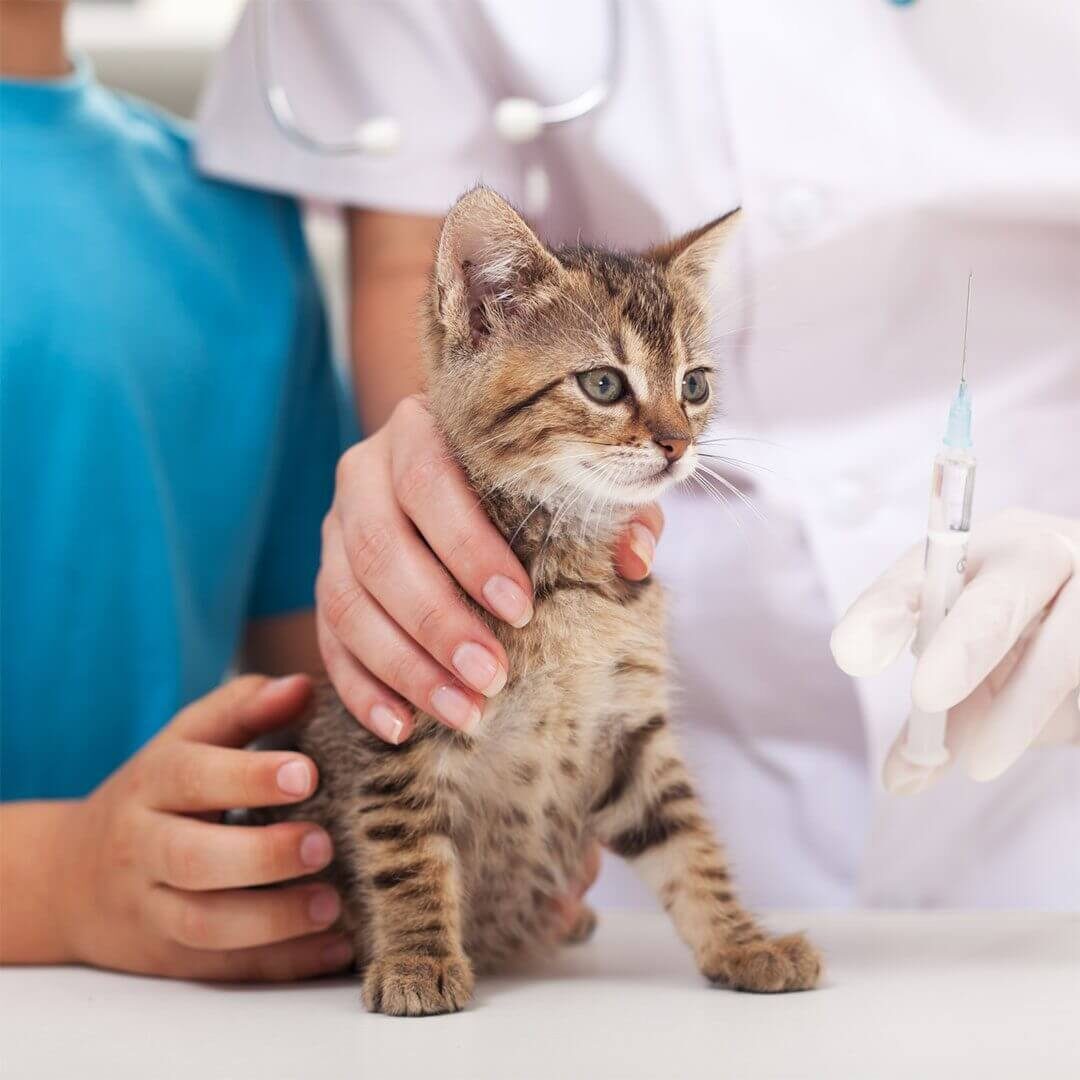
Dogs and cats are naturally curious and love to explore their surroundings. But even living a quiet life can put your pet in the path of a viral threat. To protect your companion and other animals and people from infection, our veterinarians in Auburndale, FL recommend vaccinations.
Cat and dog vaccinations are meant to work exactly like human vaccinations. They help to increase and maintain strong immunity in your pet so they can effectively fight off infection and stay healthier, longer.
Vaccinating our cherished dogs and cats can greatly reduce the spread of disease and make our community a much safer place!
If your pet is due for vaccines, call us today at (863) 967-5854 or make an appointment online.
When Does My Pet Need Vaccinations?
Pets need vaccines at different stages of life. Puppies and kittens receive an initial series because protection from maternal antibodies gradually decreases during their first months. Adult pets need selected boosters to maintain immunity, while pets with incomplete or unknown records may need a catch-up schedule.
Your pet may be due for vaccinations when:
- You recently adopted a puppy, kitten, or adult pet
- Their annual wellness visit is approaching
- A vaccine reminder shows that a booster is due
- Their vaccination history is missing or incomplete
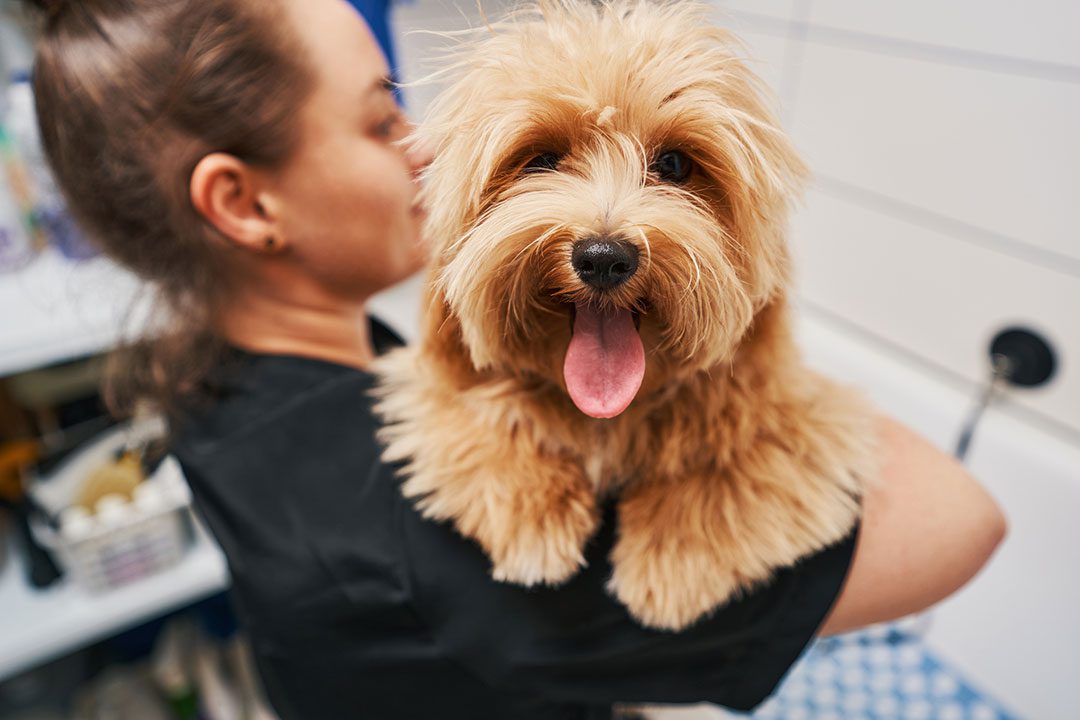
- They will attend daycare, boarding, grooming, or training classes
- Your dog visits parks, trails, lakes, or other outdoor areas
- Your pet will travel across state or international borders
- Your cat spends time outdoors or lives with cats whose health history is unknown
- A boarding facility, groomer, landlord, or travel authority requires documentation
Bring any available vaccination records to the appointment. Our team can review them and help determine what your pet needs next.
Our Recommended Vaccination Timeline for Dogs and Cats
The American Animal Hospital Association recommends specific guidelines for safely vaccinating dogs and cats and ensuring their maximum protection. We follow these guidelines closely to keep our patients happy and healthy. Our clinic carries both core vaccines, which are essential, and non-core vaccines, recommended based on various lifestyle factors.
DA2PP
We recommend starting your dog’s distemper booster series at 6-8 weeks old. Follow-up boosters are required every 3 weeks, until your dog is about 16 weeks old. They will need their next booster 1 year later, and then one every 3 years thereafter.
Rabies
We give the first rabies vaccine dose when your pet is about 12 weeks old. One year later, we administer the next rabies dose. Depending on which rabies vaccine you choose for your pet going forward, they will need to be boosted every 1-3 years.
Bordetella and/or parainfluenza
If Bordetella is recommended for your pet, we will administer the first dose at 8-16 weeks old. We give the second dose a year later, then every year after that.
Lyme
We recommend the Lyme vaccine as early as 8 weeks for your pet. After that, they will receive 2 additional doses at 3-week intervals. Your pet should then get one Lyme booster every year thereafter.
Leptospirosis
See Lyme.
Influenza
See Lyme and lepto.
FVRCP
We typically give the feline distemper vaccine at 6-8 weeks, with a booster every 3 weeks until your cat is 16 weeks of age. We then administer their next booster within a year, and then tri-annually (every 3 years) thereafter.
Rabies
Your kitten will get their first rabies shot when they are around 12 weeks of age, with their next vaccination being given 1 year later. Depending on which rabies vaccine you choose for your cat going forward, they will be re-vaccinated for rabies every year, or every 3 years.
FeLV (Feline Leukemia)
FeLV protects indoor/outdoor cats against infection from other outdoor cats. FeLV is given in 2 doses administered 3 weeks apart. We recommend starting when your cat is about 8 weeks old. Should your cat continue to spend time outside as they get older, we’ll recommend boosting their FeLV vaccine within a year of their last dose.

Are Vaccines Safe for My Pet?
Vaccines have a strong safety record, and most pets experience no significant problems after vaccination. Mild tiredness, tenderness at the injection site, or a temporary decrease in appetite may occur as the immune system responds.
More serious reactions are uncommon, but they require prompt veterinary attention. Contact us immediately if your pet develops:
- Facial swelling
- Hives
- Repeated vomiting or diarrhea
- Difficulty breathing
- Weakness or collapse
- Severe or rapidly worsening symptoms
Tell our team if your pet has experienced a previous vaccine reaction. The veterinarian may adjust the schedule, separate vaccines across appointments, select different products, or recommend additional monitoring.
Why Choose Auburndale Veterinary Clinic for Pet Vaccinations?
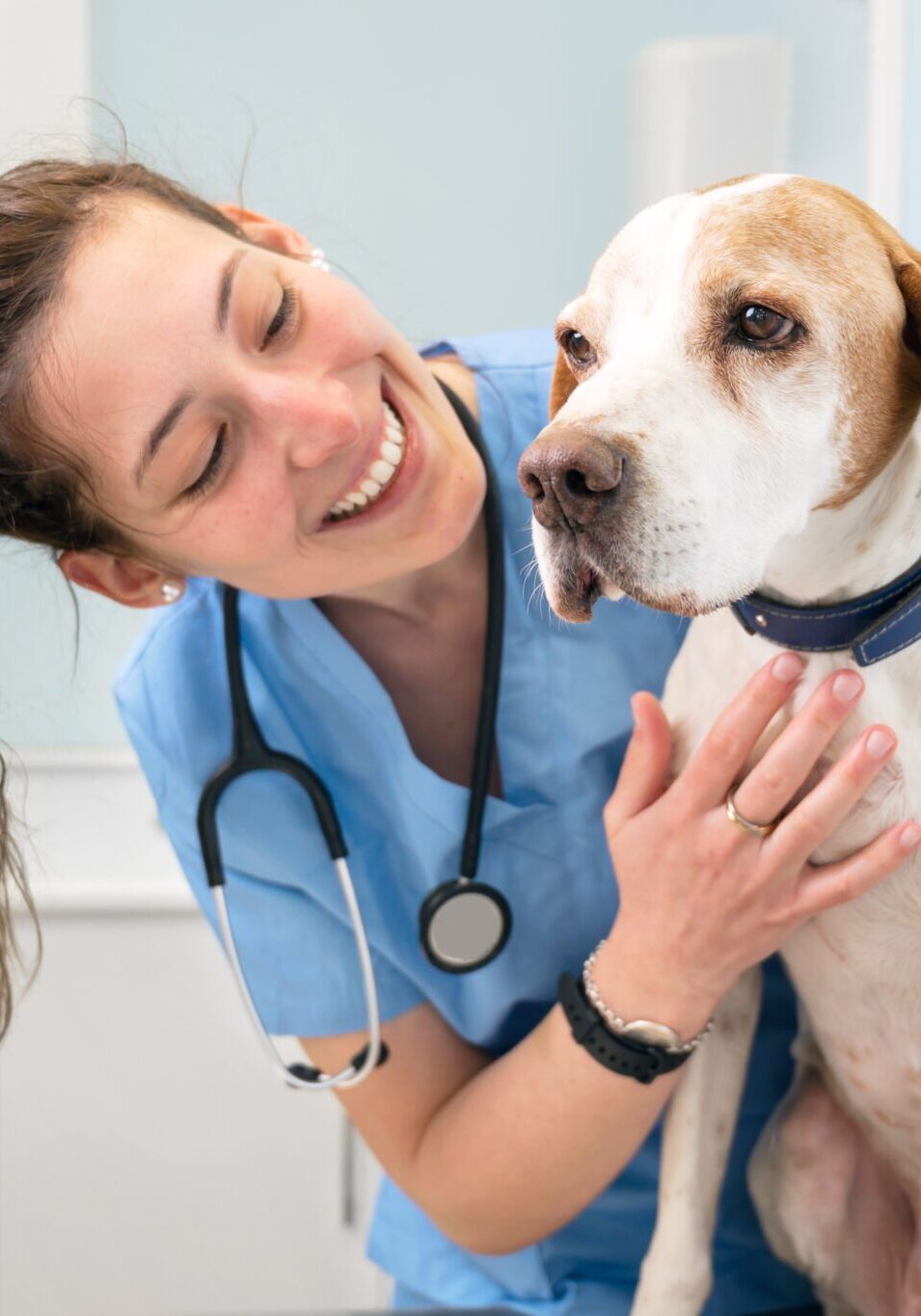
Vaccination decisions should reflect the pet in front of us rather than a one-size-fits-all checklist. Our veterinarians consider age, health, environment, travel, and daily activities before recommending a plan.
Pet owners choose our Auburndale veterinary team for:
- Individual vaccine recommendations
- A physical examination before vaccination
- Review of previous records and reactions
- Guidance for puppies, kittens, adults, and seniors
- Documentation for boarding, grooming, or travel
- Straightforward answers about benefits, timing, and possible side effects
- Ongoing reminders when future doses are due
Call (863) 967-5854 or request an appointment online to help keep your pet’s vaccinations current.
Commonly Asked Questions About Vaccinations
Yes, adult pets need booster vaccinations to maintain immunity. Protection from vaccines can decrease over time, making regular boosters important.
Senior pets still benefit from vaccinations, though schedules may be adjusted based on overall health, medical conditions, and lifestyle factors.
Pets should be healthy before receiving vaccines. If a pet is ill, a veterinarian may recommend delaying vaccination until the pet has fully recovered.
Modern veterinary care focuses on individualized vaccination plans. Veterinarians follow evidence-based guidelines to avoid unnecessary vaccines while ensuring protection.
A pet vaccination schedule outlines the timing of initial vaccines and booster shots to provide long-term disease protection throughout a pet’s life.