

Our Veterinary Blog

Dog Spay Recovery: Day-by-Day Healing Guide for Pet Owners Dog spay recovery is a gradual healing process that typically spans 10 to 14 days, during which your dog needs rest, limited activity, and close monitoring of her incision site. Understanding what to expect each day after surgery helps you support your pet’s healing and catch…
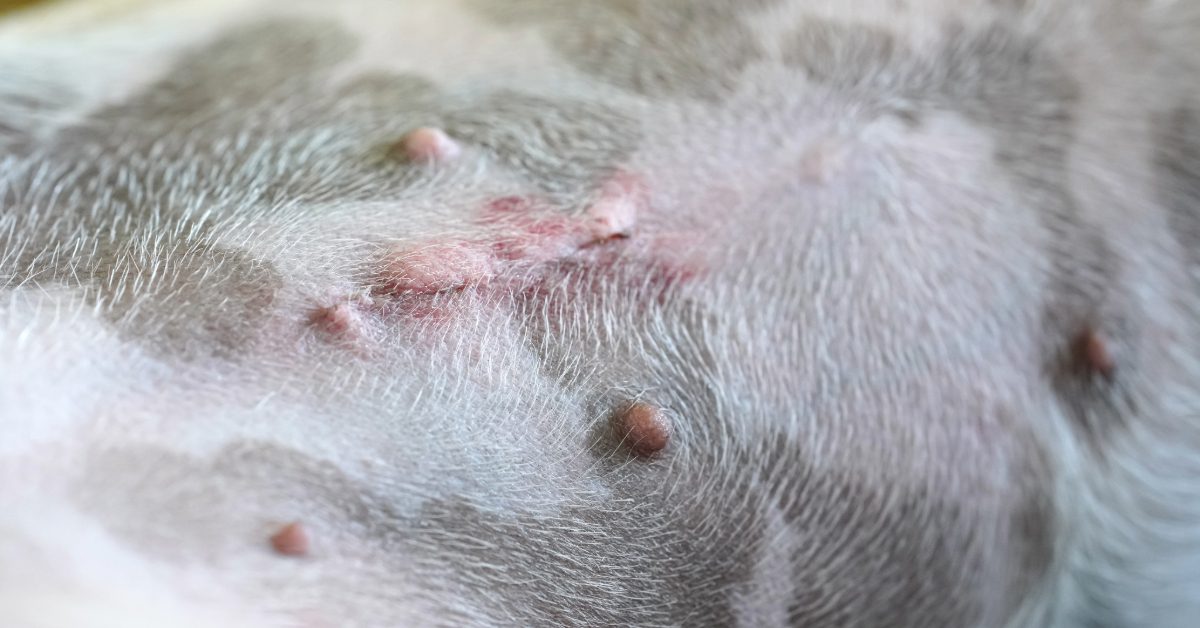
Dog Spay Incision Healing Process: What Normal vs. Abnormal Looks Like An infected and swollen spay incision on a dog typically appears red, warm to the touch, noticeably puffy around the suture line, and may produce yellow, green, or foul-smelling discharge, all of which are clear signs that something is wrong and your veterinarian needs…
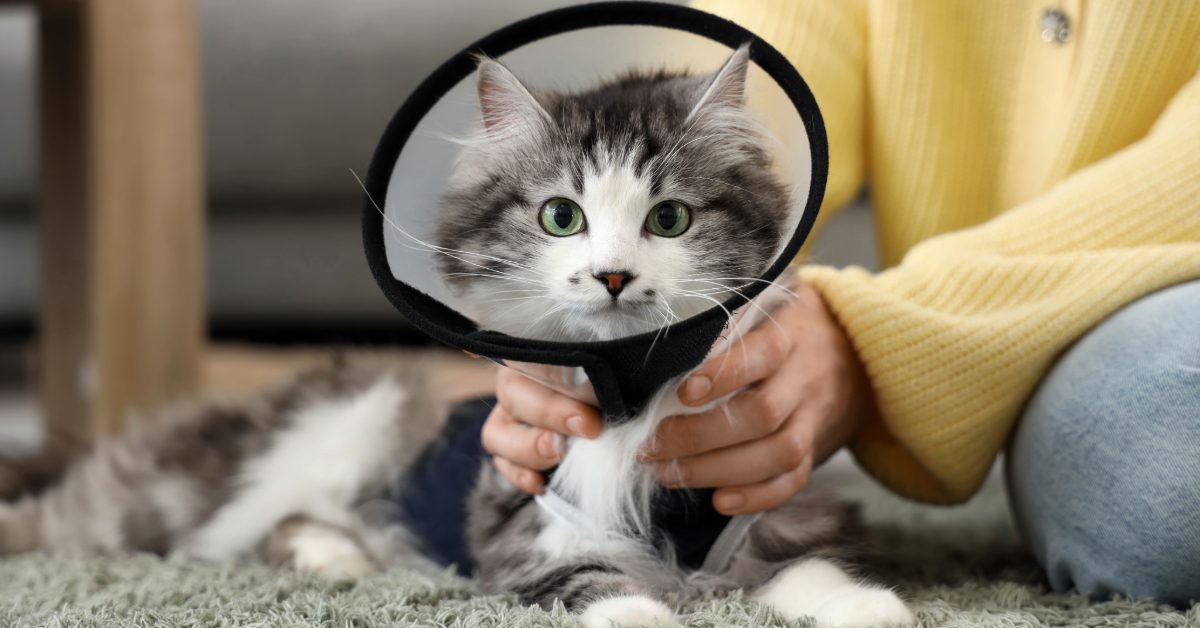
Cat Hernia After Spay: How Common Is It and How Is It Treated? It is not common for a cat to develop a true hernia after a spay procedure, but it does happen and when it does, it’s important to have it evaluated promptly by a veterinarian, as some types of hernias can become serious…

Cat Spay Incision Slightly Open: What to Do If your cat’s spay incision is slightly open, you should contact your veterinarian right away, even a small gap in the wound can allow bacteria to enter the surgical site and dramatically increase the risk of infection or more serious complications. While a partially open spay incision…
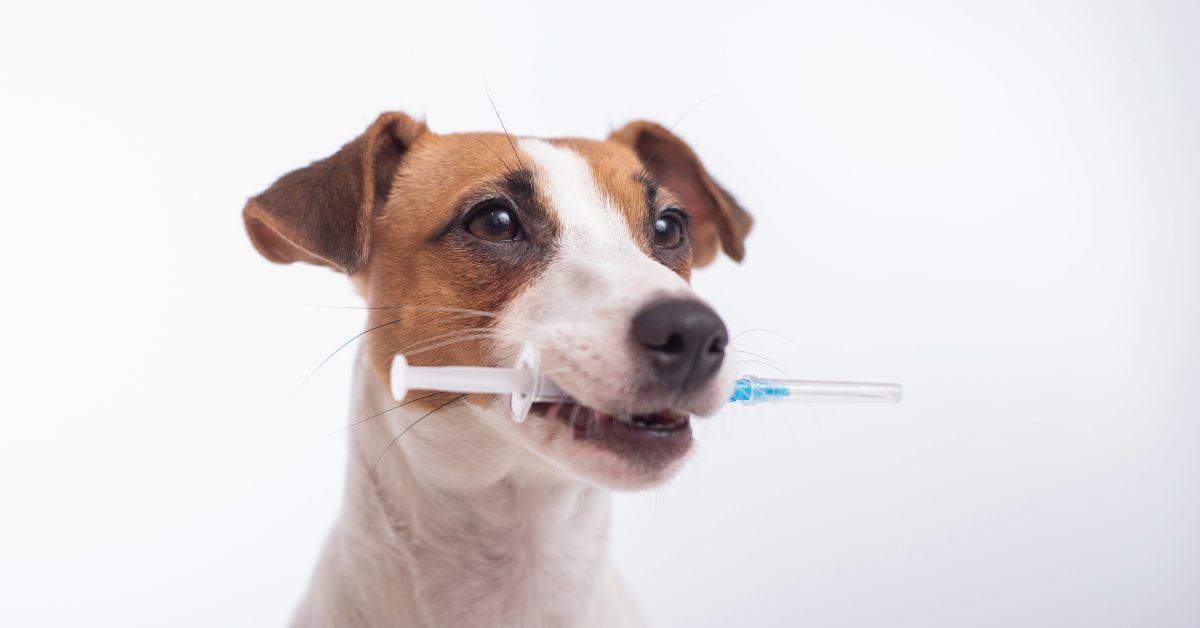
Which Dog Vaccines Are Absolutely Necessary? The dog vaccines that are absolutely necessary, meaning recommended for every dog regardless of lifestyle, are the rabies vaccine and the DA2PP combination vaccine, which protects against distemper, adenovirus, parvovirus, and parainfluenza. These core dog vaccines are considered essential by veterinary health organizations because the diseases they prevent are…
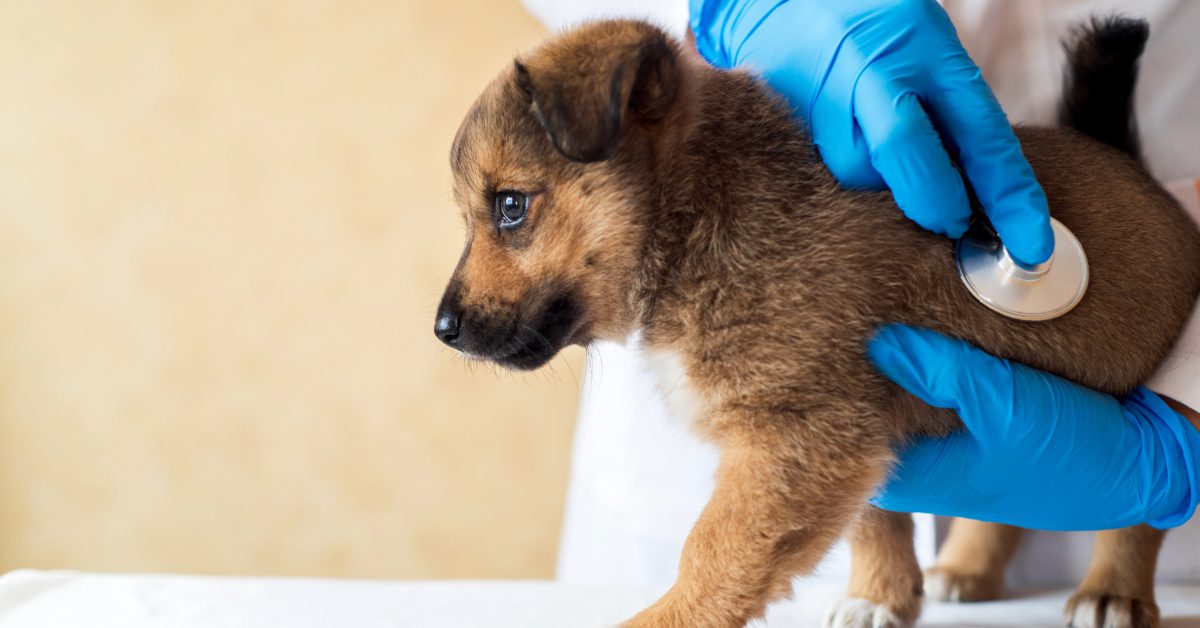
When Do Puppies Get the Rabies Shot? Puppies receive the rabies shot between 12 and 16 weeks of age (typically around 3 to 4 months old) as part of their initial puppy vaccination series. In most U.S. states, including Florida, rabies vaccination is legally required for all dogs, making it one of the most important…
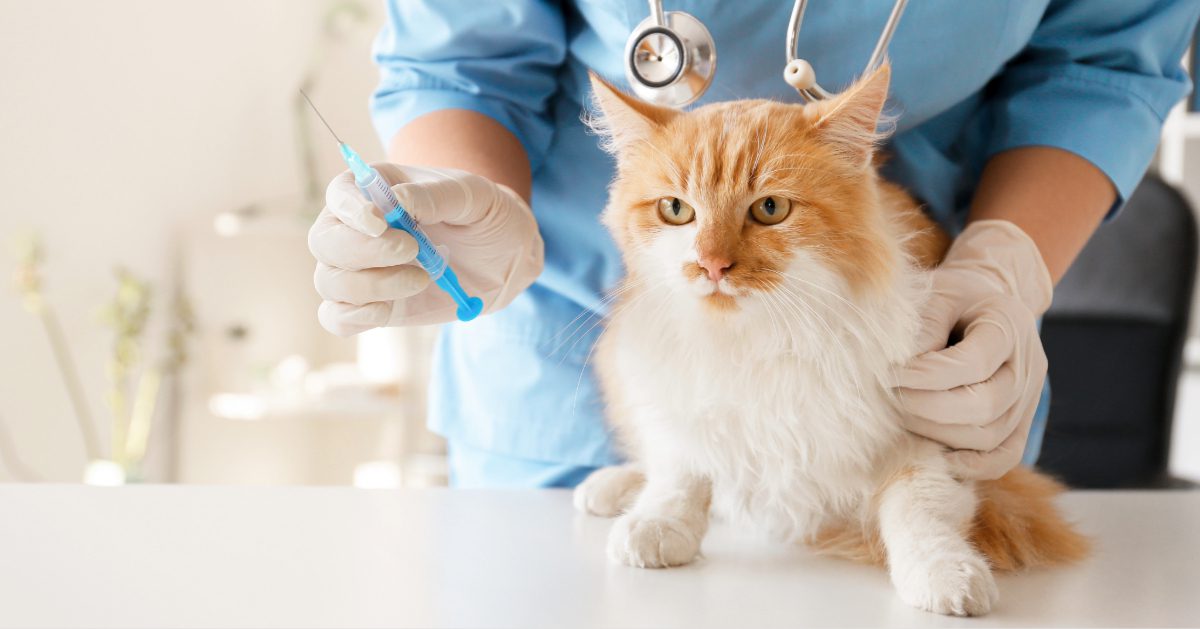
What Shots Do Cats Need on a Yearly Basis? A Simple Vaccination Schedule Cats need the rabies vaccine and FVRCP combination vaccine as their two most essential shots and depending on lifestyle, additional vaccines may be recommended on a yearly or periodic basis. If you’ve been searching for what shots cats need on a yearly…

Why Your Cat Sits on Their Hind Legs: Could It Be Hip Dysplasia? When a cat suddenly starts sitting upright on their hind legs more often, many pet owners pause and wonder what changed. This posture can look almost playful or human-like, yet it may also signal discomfort, balance issues, or changes in the hips.…
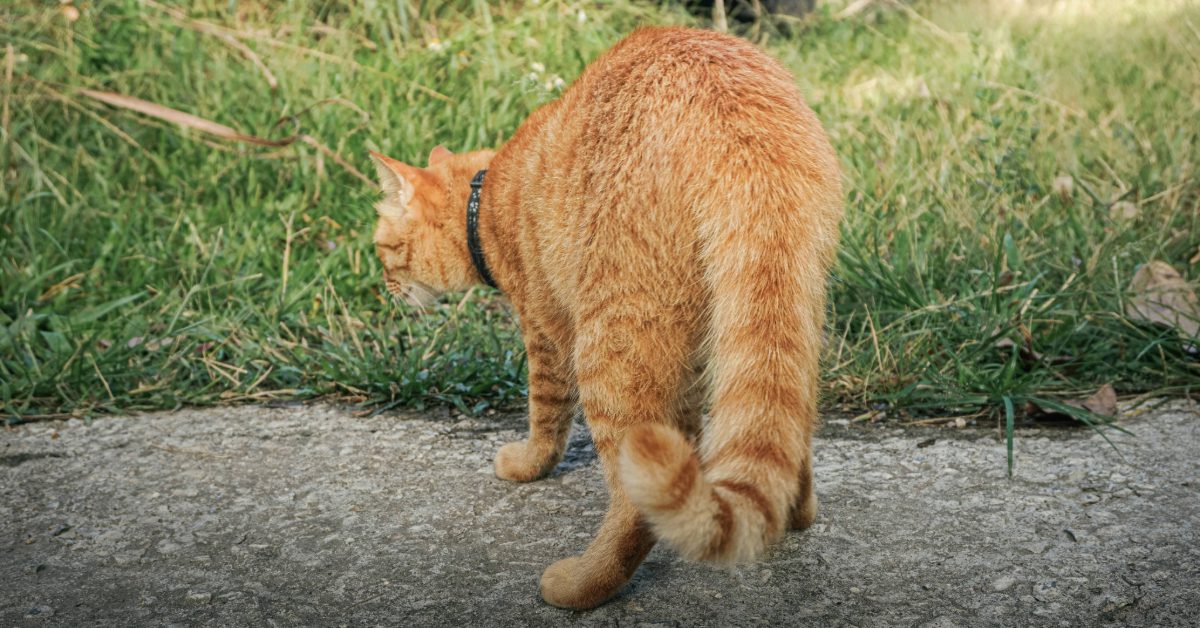
Cat Tail Injury: Everything You Need to Know A cat tail injury can happen in seconds, yet its effects can last far longer than many pet owners expect. A tail caught in a door, stepped on accidentally, or injured during play may look minor at first, but the tail plays a vital role in balance,…
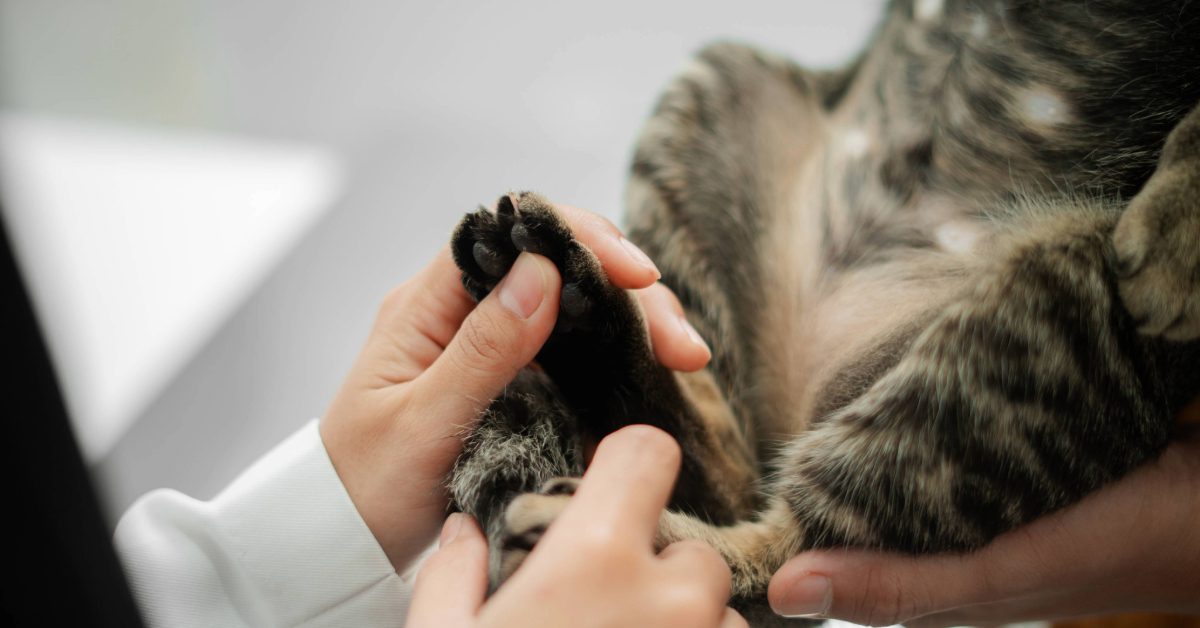
Infected Cat Paw Pad: What It Looks Like and What to Do An infected cat paw pad often begins quietly. A slight limp. Extra licking. A moment of hesitation before jumping. Because cats instinctively mask discomfort, a paw pad infection can progress before obvious symptoms appear. By the time swelling or redness becomes noticeable, the…