Our Veterinary Blog
Infected Cat Paw Pad: What It Looks Like and What to Do
An infected cat paw pad often begins quietly. A slight limp. Extra licking. A moment of hesitation before jumping. Because cats instinctively mask discomfort, a paw pad infection can progress before obvious symptoms appear. By the time swelling or redness becomes noticeable, the tissue may already be irritated or painful. A cat’s paw pads are essential for balance, traction, and daily movement. When infection develops in this sensitive area, it can affect mobility, comfort, and overall behavior. This guide explains how to recognize an infected cat paw pad, what causes it, and when professional veterinary care is needed. If your cat shows signs of paw pad irritation and you live in Auburndale, FL, the team at Auburndale Veterinary Clinic is available at (863) 967-5854 to evaluate and treat paw concerns with care and precision.
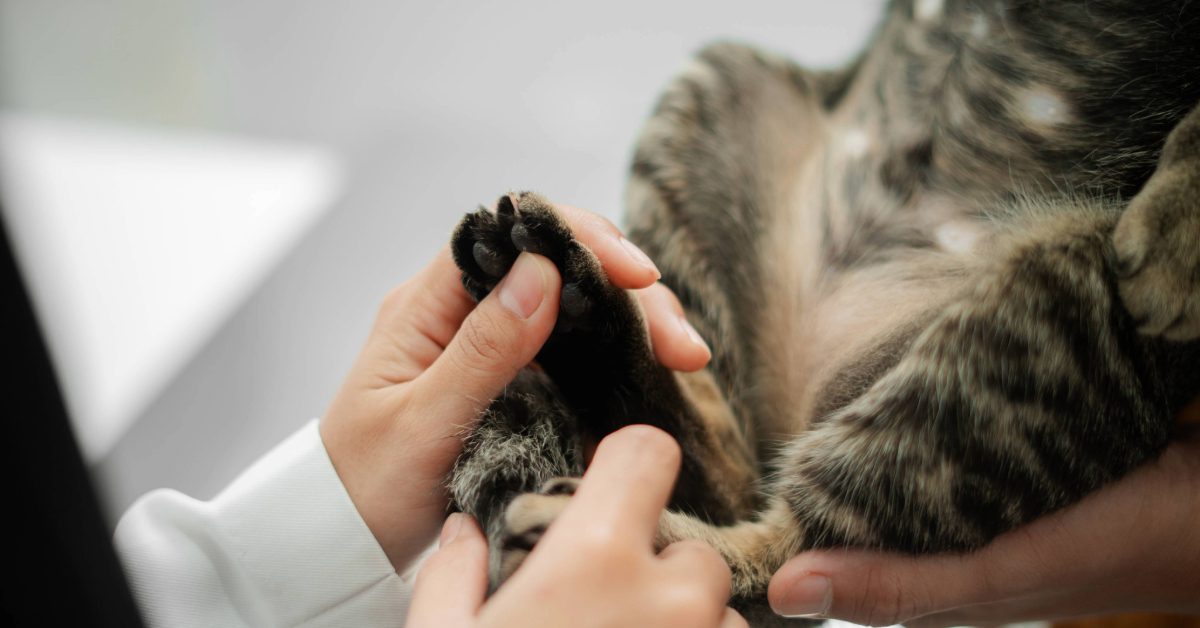
What Is an Infected Cat Paw Pad?
An infected cat paw pad occurs when bacteria, yeast, or other organisms enter damaged skin on the paw. Even minor cracks, abrasions, or moisture buildup can allow microorganisms to thrive. Once infection begins, inflammation and discomfort often follow. Unlike fur-covered skin, paw pads lack protective hair and remain in constant contact with litter, flooring, and outdoor surfaces. This makes them especially vulnerable to irritation. When infection develops, the paw may become swollen, warm, or discolored. Cats may also avoid putting weight on the affected paw. While some paw pad infections appear mild at first, they can worsen quickly without proper evaluation. Early recognition allows for faster relief and better long-term outcomes.
What an Infected Cat Paw Pad Looks Like
Every cat is different, but certain visual and behavioral signs frequently indicate infection.
Color and Surface Changes
A healthy paw pad appears smooth and evenly pigmented. When infection develops, the pad may look red, purple, darker than normal, or patchy. The surface may appear shiny, cracked, or flaky.
Swelling and Heat
Inflammation often causes noticeable swelling. The paw may look puffy or feel warmer compared to the others. Cats may withdraw when the area is touched.
Discharge or Odor
Fluid, pus, crusting, or a strong smell can signal active infection. These signs often indicate that bacteria or yeast are multiplying beneath the skin surface.
Behavioral Clues
Cats with paw discomfort frequently:
- Limp or favor one leg
- Avoid jumping or climbing
- Hide more than usual
- Lick or chew the paw repeatedly
Behavioral changes are often the first clue that something is wrong.
Common Causes of Paw Pad Infections
Several factors can contribute to infection in a cat’s paw pad. Identifying the cause helps prevent future problems.
Minor Cuts and Abrasions
Small wounds from rough flooring, litter particles, or outdoor debris can open the skin barrier and invite bacteria inside.
Chemical or Heat Exposure
Hot pavement, cleaning products, or residue on floors can irritate paw pads and damage the protective surface.
Allergic Skin Conditions
Allergies may cause chronic licking or inflammation, weakening the skin and increasing infection risk.
Moisture and Yeast Growth
Damp environments between the toes allow yeast and fungi to multiply more easily.
Underlying Health Changes
Cats with immune system challenges or chronic conditions may be more prone to recurrent skin infections.
Why Paw Pad Infections Should Be Taken Seriously
The paw contains tendons, joints, ligaments, and nerves packed into a small area. When infection spreads beyond the surface, it can affect deeper tissues and create long-term sensitivity or mobility issues. Without professional care, a simple irritation may become a persistent problem. Chronic paw discomfort can alter walking patterns and lead to joint strain over time. Veterinary evaluation allows early treatment and reduces the risk of complications.
How Veterinarians Evaluate Paw Pad Infections
At Auburndale Veterinary Clinic, evaluation begins with a careful physical examination of the paw and surrounding skin. Your veterinarian assesses:
- Degree of swelling and redness
- Presence of discharge or odor
- Depth of tissue involvement
- Overall health and behavior
Diagnostic Support
Testing such as skin cytology or culture may be used to identify the organisms involved. This ensures treatment targets the specific cause rather than guessing.
Whole-Cat Assessment
Because paw infections sometimes reflect broader skin or immune issues, veterinarians also evaluate for allergies, environmental triggers, or systemic conditions.
When Should You Contact Your Auburndale Veterinarian?
Any paw pad that appears swollen, painful, discolored, or repeatedly licked deserves professional attention. Waiting allows infection to progress and discomfort to increase. Cats rely on their paws for every movement. Even subtle pain can significantly affect daily life. Prompt care shortens recovery time and restores comfort more quickly. If you notice changes in your cat’s paw pad, call Auburndale Veterinary Clinic at (863) 967-5854 to schedule an exam.
How Paw Pad Treatment Supports Healing
Veterinary treatment focuses on three primary goals: controlling infection, reducing inflammation, and protecting the paw during healing.
Targeted Infection Control
Once the organism is identified, treatment can be tailored to eliminate it effectively.
Comfort and Mobility Support
Reducing inflammation allows your cat to walk more comfortably and resume normal activity.
Preventing Recurrence
Your veterinarian may discuss environmental factors, grooming habits, or health conditions that contributed to the infection so future episodes are less likely.
Long-Term Outlook
Most cats recover very well when paw pad infections are treated early. Paw tissue regenerates efficiently when infection is controlled and irritation is minimized. However, repeated infections often indicate an underlying issue that needs long-term management. Regular wellness visits allow veterinarians to monitor paw health and detect early changes before discomfort returns.
Supporting Healthy Paw Pads Year-Round
Healthy paws support balance, stability, and confidence in movement. You can help protect your cat’s paws by staying alert to:
- Changes in gait
- Increased grooming of one paw
- Redness or swelling
- Sensitivity to touch
Routine veterinary exams also play an important role in detecting skin and paw concerns early.
Compassionate Paw Care in Auburndale, FL
If your cat shows signs of paw discomfort, professional care provides clarity, relief, and protection for long-term mobility. The experienced team at Auburndale Veterinary Clinic offers attentive evaluations and personalized treatment plans designed around each cat’s needs. For concerns involving a sore, swollen, or irritated paw pad, contact Auburndale Veterinary Clinic today at (863) 967-5854 to schedule an appointment. Your cat’s comfort, movement, and quality of life deserve expert care.
Recent Posts
About Us
Even long after they’re gone, we never forget our beloved pets. They make our families whole and bring so much joy to our lives. Our veterinarians and staff in Auburndale, FL know that the human-animal bond is sacred. To protect that bond, we aim to provide the highest level of medicine and the kindest, most compassionate care we can. Our goal is to help you help your pet stay healthy and happy for as long as possible. With wellness and preventative care, medical care for illnesses and injuries, routine surgery, dentistry and more, you can rest assured that all your pet’s needs are being met.