Our Veterinary Blog
Dog Keeps Scratching Ear and Licking Paw: What to Do
When a dog keeps scratching an ear and licking its paw, the behavior usually points to ongoing discomfort rather than a harmless habit. These actions often reflect inflammation, infection, or allergy-related skin changes. While brief scratching or licking can occur after outdoor play or grooming, repeated behavior suggests ear and paw irritation that needs attention. Early awareness helps reduce the risk of chronic problems and unnecessary pain.
This article explains why dogs develop these symptoms, which warning signs matter most, and how to support your dog safely at home. You will also learn when professional care becomes the best next step. If you have concerns at any point, Auburndale Veterinary Clinic in Auburndale, FL, is available at (863) 967-5854 to help you schedule an appointment.
Common Causes of Ear and Paw Irritation in Dogs
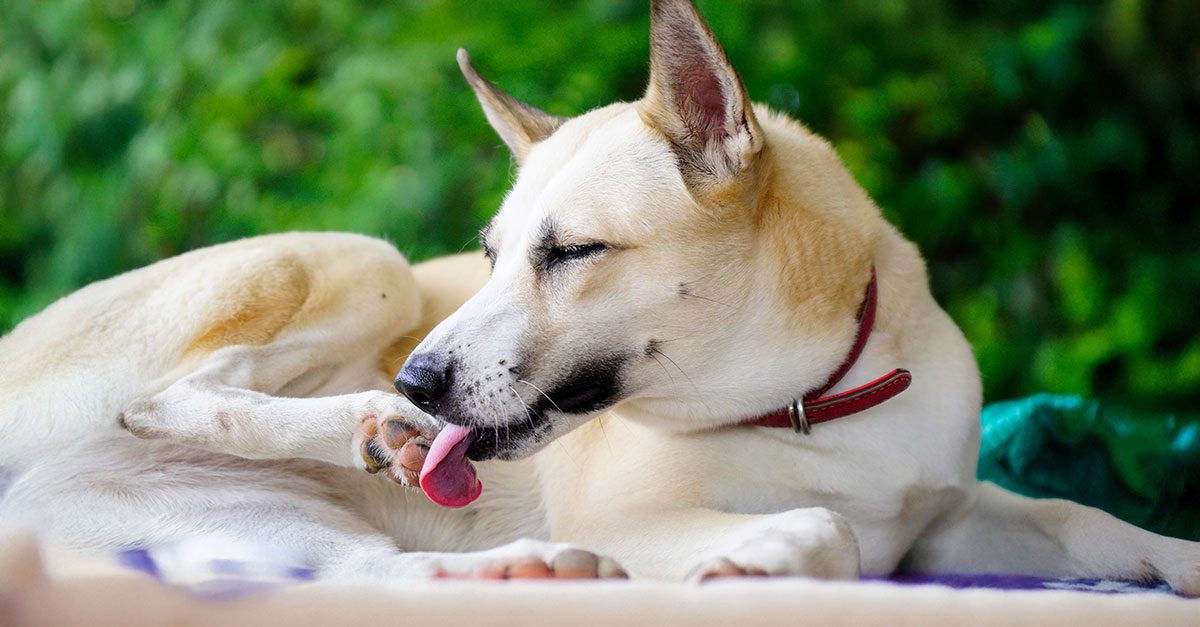
Ear and paw irritation in dogs often develops from a combination of environmental exposure and biological factors. Allergies remain one of the most frequent reasons for a dog scratching its ear while also licking its paw. Pollen, grass, mold, dust, and certain foods can trigger immune responses that inflame the skin. Once inflammation begins, scratching and licking worsen the cycle by introducing moisture and bacteria.
Moisture plays a major role as well. Swimming, rainy walks, or frequent paw licking create warm, damp environments that allow yeast and bacteria to thrive. Parasites such as fleas or mites may also cause irritation, even when only a small number are present. Foreign material, including grass seeds or small debris, can lodge in the ear canal or between the toes and quickly lead to discomfort.
Allergies and Environmental Triggers
Allergies often drive long-term ear scratching behavior and recurring paw licking habits. Dogs may react to food ingredients, dust mites, or outdoor allergens. These reactions inflame the skin and weaken its protective barrier, making infection more likely. Over time, ear and paw irritation in dogs can become a repeating pattern without proper evaluation.
Allergic dogs may also show redness around the eyes, muzzle, or belly. When several areas are involved, ear and paw irritation in dogs usually reflects a broader sensitivity rather than a single injury.
Symptoms to Watch For
Behavior changes often appear before visible signs. A dog scratching its ear more than usual or shaking its head can indicate internal irritation. A dog licking its paw frequently may chew between the toes or avoid putting full weight on that foot. These early signs deserve attention, even when the skin still looks normal.
As irritation progresses, redness, swelling, or discharge may develop. Ear and paw irritation in dogs can also cause odor, thickened skin, or hair loss. Some dogs become restless or less interested in play because the discomfort interferes with daily routines. When these symptoms last more than a short period, professional evaluation becomes important.
Common symptoms include:
- Repeated scratching or head shaking
- Ongoing paw licking or chewing between toes
- Red, moist, or thickened skin
- Unpleasant odor from the ears or paws
- Discharge, scabs, or sores
- Sensitivity when touched
These signs suggest more than temporary irritation and should not be ignored.
Home Care Tips
Supportive home care can reduce discomfort while you arrange veterinary guidance. Keep ears and paws clean and dry using gentle, veterinarian-approved hygiene practices. After outdoor activity, check for debris between the toes and around the ear openings. This routine helps limit buildup that contributes to ear and paw irritation in dogs.
Provide calm distractions to reduce excessive licking or scratching, such as quiet rest or enrichment activities. Avoid harsh products, scented wipes, or aggressive cleaning, as these can worsen inflammation. Maintaining a clean home environment also helps reduce allergens.
Helpful home care steps include:
- Drying ears and paws after bathing or swimming
- Checking paws daily for redness or trapped debris
- Keeping bedding clean and dry
- Monitoring behavior changes closely
These steps support comfort but do not replace professional evaluation when symptoms persist.
When to Visit the Vet
Persistent symptoms signal the need for professional care. If your dog keeps scratching an ear and licking its paw, a veterinary exam becomes essential. Delayed treatment allows inflammation to deepen and increases the risk of chronic infection. Dogs often hide discomfort, so visible signs usually mean irritation has progressed.
Schedule a visit when symptoms last longer than 48 hours, worsen rapidly, or return frequently. Pain, swelling, head tilting, limping, or discharge also require prompt attention. Ear and paw irritation in dogs rarely resolves completely without identifying the underlying cause.
What to Expect During a Veterinary Exam
Your veterinarian will examine your dog’s ears, paws, and surrounding skin to look for infection, inflammation, or foreign material. Diagnostic testing may be used to clarify whether bacteria, yeast, or allergies contribute to the problem. This approach allows care to focus on the true source of irritation rather than guesswork.
Veterinary guidance helps prevent repeated flare-ups and protects long-term comfort. For pet owners in Auburndale, FL, Auburndale Veterinary Clinic offers experienced care for dogs showing ear scratching behavior and paw licking concerns. Call (863) 967-5854 to schedule an evaluation.
Frequently Asked Questions
Why does my dog scratch one ear more than the other?
Localized irritation, trapped debris, or early infection often affects one ear first. A dog scratching its ear should receive prompt attention.
Is a dog licking its paw always a sign of infection?
Not always. Dogs may lick paws due to allergies, mild irritation, or behavioral stress. Persistent licking, however, often points to inflammation that needs evaluation.
Can ear and paw irritation in dogs return after treatment?
Yes. Recurring irritation usually means the underlying trigger, such as allergies or moisture, remains present. Long-term management reduces future flare-ups.
Should I worry if my dog only licks one paw?
Single-paw licking may indicate a small injury, foreign object, or localized irritation. Monitoring and early care prevent complications.
Supporting Long-Term Comfort
Long-term comfort depends on early detection and consistent care. Watching for patterns in dog scratching ear behavior and dog licking paw habits helps identify triggers before they become serious. When you respond quickly, you protect your dog from chronic ear and paw irritation in dogs.
Routine wellness visits strengthen prevention by allowing your veterinary team to monitor skin health and discuss daily care habits. This partnership supports comfort and quality of life at every stage.
If your dog keeps scratching an ear and licking its paw, professional guidance offers clarity and relief. Contact Auburndale Veterinary Clinic in Auburndale, FL, at (863) 967-5854 to discuss your dog’s symptoms or to book an appointment. Your dog deserves care that supports lasting comfort and confidence.
Recent Posts
- « Previous
- 1
- 2
- 3
- 4
- Next »
About Us
Even long after they’re gone, we never forget our beloved pets. They make our families whole and bring so much joy to our lives. Our veterinarians and staff in Auburndale, FL know that the human-animal bond is sacred. To protect that bond, we aim to provide the highest level of medicine and the kindest, most compassionate care we can. Our goal is to help you help your pet stay healthy and happy for as long as possible. With wellness and preventative care, medical care for illnesses and injuries, routine surgery, dentistry and more, you can rest assured that all your pet’s needs are being met.