
Our Veterinary Blog
Why Your Cat Sits on Their Hind Legs: Could It Be Hip Dysplasia?
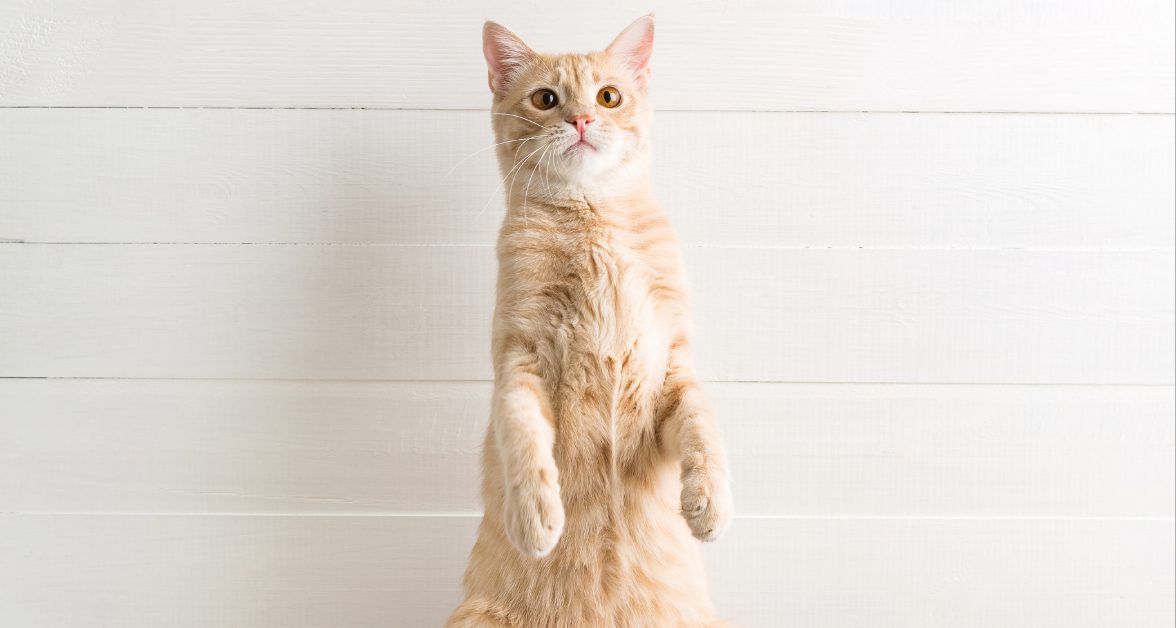
When a cat suddenly starts sitting upright on their hind legs more often, many pet owners pause and wonder what changed. This posture can look almost playful or human-like, yet it may also signal discomfort, balance issues, or changes in the hips. In some cases, a cat sitting on hind legs and indicating a hip dysplasia pattern appears when a cat adjusts their posture to relieve joint strain. While not every upright sit points to disease, this position can offer meaningful clues about mobility, comfort, and long-term joint health. Understanding what this posture may represent helps you notice early changes and decide when professional evaluation matters most.
What It Means When a Cat Sits on Their Hind Legs
A cat sitting upright often appears relaxed, curious, or engaged with their surroundings. Many cats naturally use this position to observe, stretch their spine, or rest their front paws. However, when the posture becomes frequent or noticeably stiff, veterinarians start to consider musculoskeletal explanations. In a cat sitting on hind legs scenario, the position may reduce pressure on painful hip joints. Cats are experts at hiding discomfort, so posture shifts can become one of the few visible clues.
Hip dysplasia in cats develops when the hip joint forms abnormally, allowing excessive movement between the ball and socket. Over time, this instability contributes to cartilage wear, inflammation, and reduced joint function. A cat may compensate by adjusting how they sit, stand, or rise from the floor. The upright hind-leg posture can minimize joint compression and offer temporary relief. Observing how often your cat chooses this position, and whether they seem hesitant to move afterward, provides helpful context for a veterinary evaluation.
This does not mean every cat sitting upright has joint disease. Some cats simply enjoy the posture. The concern grows when the behavior appears alongside stiffness, reduced jumping, or reluctance to play.
Understanding Hip Dysplasia in Cats
Hip dysplasia affects the structure and stability of the hip joint. While it is more commonly discussed in dogs, cats can develop the condition as well. In many feline cases, hip dysplasia remains subtle for years before signs appear. A cat sitting on hind legs in a hip-dysplasia-like pattern may emerge as one of the earliest visible changes.
How Hip Dysplasia Develops
The hip joint relies on a smooth, well-fitted connection between the femoral head and the hip socket. When that connection forms loosely, the joint experiences abnormal motion. This leads to:
- Gradual cartilage breakdown
- Joint inflammation
- Bone remodeling over time
- Reduced range of motion
Cats often adapt quietly. They shift their weight, alter their sitting posture, and change how they move around the home. The upright hind-leg sit can become a preferred resting position when hips feel unstable or sore.
Why Cats Mask Pain
Cats instinctively hide discomfort as a survival trait. Instead of vocalizing pain, they modify behavior. A cat sitting on hind legs in a way that resembles hip dysplasia may appear before obvious limping or visible distress. This makes posture changes especially valuable to notice early.
Signs That May Appear Alongside This Sitting Position
When hip dysplasia contributes to posture changes, other subtle signs often accompany the behavior. A cat sitting upright alone may not raise concern, but combined patterns provide clearer insight. Common observations include:
- Reduced jumping onto furniture or counters
- Slower movement after resting
- Stiffness when standing up
- Decreased interest in play
- Grooming less around the hindquarters
In a cat sitting on hind legs similar to hip dysplasia scenario, these signs reflect the cat’s effort to protect their hips while maintaining independence. Each change may seem minor on its own, yet together they form a recognizable pattern for veterinarians.
Other Conditions That Can Affect This Posture
Hip dysplasia is one possibility, but it is not the only explanation for a cat sitting upright. Several other conditions influence posture and mobility, which is why professional evaluation remains essential.
Arthritis
Arthritis causes joint inflammation and stiffness that can alter sitting and resting positions. Cats with arthritis may prefer upright postures to limit pressure on sore joints.
Muscle Weakness
Loss of muscle tone in the hind limbs can make traditional sitting uncomfortable. A cat may choose a hind-leg posture to stabilize their body more easily.
Neurologic Changes
Nerve issues can affect balance and coordination, leading cats to adopt positions that feel more secure.
Spinal Discomfort
Spinal conditions can also influence how a cat distributes weight when sitting or standing.
Because multiple issues can mimic a cat sitting on hind legs in a hip-dysplasia-like presentation, accurate diagnosis depends on veterinary assessment rather than posture alone.
Why Early Recognition Matters
Early recognition allows veterinarians to document baseline mobility and monitor progression over time. Hip dysplasia does not improve on its own, but early awareness supports better long-term management planning. A cat sitting on hind legs in a hip-dysplasia-like pattern, when identified early, helps guide diagnostic imaging and physical evaluation. Veterinary teams evaluate:
- Hip joint stability
- Range of motion
- Muscle symmetry
- Pain response during manipulation
- Overall gait and posture
This thorough approach allows the clinic to distinguish between dysplasia, arthritis, neurologic issues, or soft-tissue conditions.
How Is Hip Health Evaluated?
At Auburndale Veterinary Clinic, your veterinarian begins with a detailed physical exam and conversation about your cat’s daily behavior. Describing posture changes, including a cat sitting on hind legs in a way that resembles hip dysplasia, helps narrow diagnostic direction.
Physical Examination
The veterinarian gently assesses joint flexibility, muscle tone, and movement response. Even small reactions provide valuable information.
Diagnostic Imaging
X-rays allow direct visualization of hip joint structure. They show joint spacing, bone shape, and signs of wear or instability.
Mobility Assessment
Your veterinarian observes how your cat walks, sits, and transitions between positions. These movements reveal how the joints function during normal activity. Together, these steps create a clear picture of your cat’s hip health.
Living With a Cat Who Has Hip Dysplasia
Cats with hip dysplasia often continue to live comfortable, fulfilling lives with proper veterinary support. The goal focuses on preserving mobility, comfort, and quality of life. Recognizing a cat sitting on hind legs posture early allows your veterinary team to tailor care strategies over time. While each cat responds differently, ongoing veterinary guidance helps track joint changes and adapt care as needed. Regular checkups allow adjustments based on progression, age, and lifestyle.
When Posture Changes Should Prompt a Veterinary Visit
You should consider scheduling an appointment if:
- The upright posture becomes frequent or persistent
- Your cat avoids jumping or climbing
- Movement appears stiff or hesitant
- Activity levels decline
- Grooming habits change
A cat sitting on hind legs similar to a hip-dysplasia-like pattern paired with these behaviors provides valuable information for early evaluation. At Auburndale Veterinary Clinic in Auburndale, FL, our team welcomes these conversations. Early visits help clarify what your cat’s posture truly means and guide next steps.
How This Knowledge Helps Pet Owners and Veterinarians
For pet owners, recognizing posture as communication builds stronger awareness. For veterinarians, detailed observations support more accurate diagnoses. A cat sitting on hind legs similar to a hip dysplasia posture becomes a meaningful piece of the larger health puzzle rather than an isolated quirk. This shared awareness strengthens preventive care, improves monitoring, and supports long-term mobility planning. It also encourages earlier veterinary involvement, which benefits cats throughout their lives.
Why Ongoing Veterinary Care Matters for Joint Conditions
Cats rely on their mobility for confidence, independence, and daily comfort. Even subtle posture shifts deserve attention when they persist. If you notice a cat sitting on hind legs in a hip-dysplasia-like pattern or any change in movement, a professional evaluation provides clarity and peace of mind. Auburndale Veterinary Clinic is proud to support cats and their families throughout Auburndale, FL.
Our team combines advanced diagnostics with compassionate care to help every cat maintain comfort and mobility at every life stage. If your cat’s sitting posture has changed, or if you have concerns about hip health, call (863) 967-5854 to schedule an appointment today. Early awareness allows us to work together to protect your cat’s comfort and long-term quality of life.
Recent Posts
- « Previous
- 1
- 2
- 3
- 4
About Us
Even long after they’re gone, we never forget our beloved pets. They make our families whole and bring so much joy to our lives. Our veterinarians and staff in Auburndale, FL know that the human-animal bond is sacred. To protect that bond, we aim to provide the highest level of medicine and the kindest, most compassionate care we can. Our goal is to help you help your pet stay healthy and happy for as long as possible. With wellness and preventative care, medical care for illnesses and injuries, routine surgery, dentistry and more, you can rest assured that all your pet’s needs are being met.