

Our Veterinary Blog
Cat Losing Weight but Eating: Is This Normal?
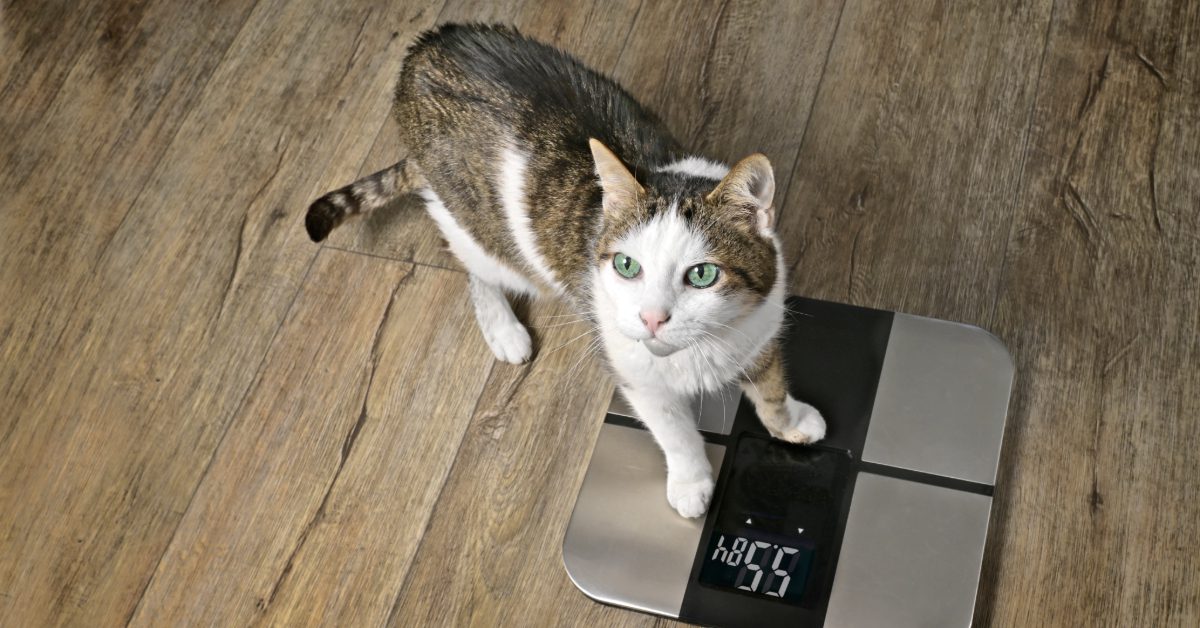
When a cat maintains a healthy appetite but continues to slim down, it often raises quiet concern for attentive pet owners. A cat losing weight but still eating normally may seem contradictory, yet it is a pattern veterinarians encounter frequently. While some weight fluctuation can occur with age or activity changes, persistent weight loss paired with normal eating habits deserves careful attention.
At Auburndale Veterinary Clinic in Auburndale, FL, we may evaluate cats whose owners notice subtle body changes long before any other symptoms appear. This article explains why losing weight in cats while appetite remains strong can happen, what it may indicate, and why veterinary evaluation plays such an important role in protecting long-term health. If you have concerns about your cat’s weight, our team is always available at (863) 967-5854 to schedule an appointment.
Why Weight Loss With a Normal Appetite Matters
A healthy cat typically maintains a stable weight when calorie intake remains consistent. When owners observe their cat losing weight but still eating normally, it suggests that the body is not using nutrients efficiently or is burning energy faster than it should. This change often develops gradually, which makes it easy to overlook at first.
Cats are especially skilled at hiding physical discomfort. They may continue to play, interact, and eat enthusiastically while muscle mass quietly declines. For that reason, losing weight in cats often becomes one of the earliest visible signs that something inside the body has changed. Veterinary evaluation helps determine whether the cause is mild, manageable, or part of a more complex medical condition.
Common Causes of Losing Weight in Cats With Normal Appetite
Several medical conditions explain why a cat may appear thin despite eating well. Each affects the body in a different way.
Hyperthyroidism
Hyperthyroidism increases the body’s metabolic rate. Cats burn calories faster than they can replace them, leading to cats losing weight but still eating normally. Many cats also show increased thirst, restlessness, and behavioral changes.
Diabetes Mellitus
Diabetes prevents glucose from entering cells properly. Even though food intake remains steady, the body cannot use energy efficiently. Over time, losing weight in cats becomes noticeable despite a healthy appetite.
Digestive and Intestinal Disorders
Inflammatory bowel disease and other digestive conditions reduce nutrient absorption. Food passes through the digestive system without delivering full nutritional benefit, resulting in a cat losing weight but still eating normally.
Kidney Disease
Chronic kidney disease commonly affects older cats. Early stages may present as losing weight in cats with only subtle appetite changes.
Cancer
Some cancers alter metabolism and muscle preservation. Weight loss may occur long before other symptoms appear.
Parasites
Intestinal parasites compete for nutrients inside the digestive tract, contributing to losing weight in cats even when food intake appears normal. Each of these conditions requires professional testing to confirm.
Age and Weight Loss Patterns in Cats
Age influences how weight loss appears. Senior cats experience hormonal shifts, organ changes, and muscle loss more commonly. However, a cat losing weight but still eating normally can occur in younger cats as well due to inherited conditions, infections, or immune-related disorders. Because age alone does not explain weight loss, veterinary assessment remains important at every life stage.
How Veterinarians Evaluate Losing Weight in Cats
When owners report losing weight in cats, veterinarians begin with a detailed physical examination and medical history. Weight trends, appetite patterns, litter box habits, and behavior changes all guide the diagnostic approach.
Diagnostic Testing
To determine why a cat is losing weight, testing may include:
- Blood panels to evaluate organ and hormone function
- Urinalysis to assess kidney and metabolic health
- Fecal testing to screen for parasites
- Imaging when structural concerns are suspected
These tools allow the veterinary team to identify the underlying reason behind a cat losing weight but still eating normally rather than relying on assumptions.
Individualized Interpretation
No two cases of losing weight in cats look exactly the same. Results are always interpreted in context with the cat’s age, lifestyle, and overall health picture.
Why Appetite Alone Can Be Misleading
Many pet owners feel reassured when their cat eats enthusiastically. However, a cat losing weight but still eating normally demonstrates that appetite does not guarantee nutritional success. The body may fail to process food correctly even when intake appears sufficient. This is why weight monitoring plays such a valuable role in feline wellness care. Subtle changes often tell a story before obvious symptoms develop.
Subtle Signs That May Accompany Weight Loss
Along with losing weight in cats, owners may notice small changes such as:
- Increased vocalization
- Reduced grooming
- Shifts in social behavior
- Mild restlessness or fatigue
These changes often seem minor on their own but provide important clues when combined with weight loss.
Long-Term Effects of Ongoing Weight Loss
When a cat losing weight but still eating normally continues without diagnosis, muscle mass declines, immune strength weakens, and organ systems face increasing strain. Over time, this can affect comfort, mobility, and overall quality of life. Early veterinary involvement helps slow or prevent these long-term consequences by addressing the cause before complications develop.
How Auburndale Veterinary Clinic Helps
At Auburndale Veterinary Clinic, we approach losing weight in cats with thorough evaluation, clear communication, and compassionate care. Our goal is to help owners understand what is happening and why each step of testing matters. We believe education builds confidence. When owners understand the reasons behind a cat losing weight but still eating normally, they can make informed choices about their cat’s ongoing care. If you notice weight changes in your cat, contact our Auburndale, FL team at (863) 967-5854 to schedule an appointment.
When Weight Loss Becomes Easier to Notice
Many owners recognize losing weight in cats when:
- The spine and hips feel more prominent
- The waist appears narrower
- The coat looks less full
- The body feels lighter when lifted
These physical cues often confirm what careful observation has already suggested.
Emotional Impact on Pet Owners
Seeing your cat losing weight but still eating normally often creates worry and uncertainty. These feelings reflect attentiveness, not overreaction. Cats rely on their families to recognize subtle shifts and seek professional guidance. Veterinary care supports both physical health and emotional reassurance for families.
A Conversation That Protects Long-Term Health
Weight changes invite important conversations about wellness. Losing weight in cats reminds us that visible appetite does not always reflect internal balance. It also highlights the value of regular veterinary visits and attentive home observation. Our team at Auburndale Veterinary Clinic welcomes these conversations and encourages owners to share even small concerns.
Supporting Your Cat’s Health in Auburndale, FL
A cat losing weight but still eating normally often serves as an early signal that professional evaluation is needed. Through careful diagnostics and compassionate care, veterinary medicine helps uncover the reason behind this pattern and guide the next steps forward. If you have noticed losing weight in cats within your household, contact Auburndale Veterinary Clinic at (863) 967-5854. We are here to support your cat’s comfort, strength, and long-term wellbeing.
Recent Posts
- « Previous
- 1
- 2
- 3
- 4
- Next »
About Us
Even long after they’re gone, we never forget our beloved pets. They make our families whole and bring so much joy to our lives. Our veterinarians and staff in Auburndale, FL know that the human-animal bond is sacred. To protect that bond, we aim to provide the highest level of medicine and the kindest, most compassionate care we can. Our goal is to help you help your pet stay healthy and happy for as long as possible. With wellness and preventative care, medical care for illnesses and injuries, routine surgery, dentistry and more, you can rest assured that all your pet’s needs are being met.