

Our Veterinary Blog
Can You Get Pink Eye From a Dog?
Pink eye has a way of showing up at the worst moments: before a family trip, during a busy workweek, or right when your dog wants extra attention. Many pet owners pause and wonder, “Can you get pink eye from a dog?” or is that just a common myth? The short answer is that certain infections can move between pets and people, but the story is more layered than a simple yes or no. Understanding how eye infections work, how they spread, and what role your veterinarian plays can help you feel more confident about protecting both your household and your dog. This guide walks through what pet owners in Auburndale, FL should know about pink eye in dogs, using clear explanations that respect both human and veterinary health.
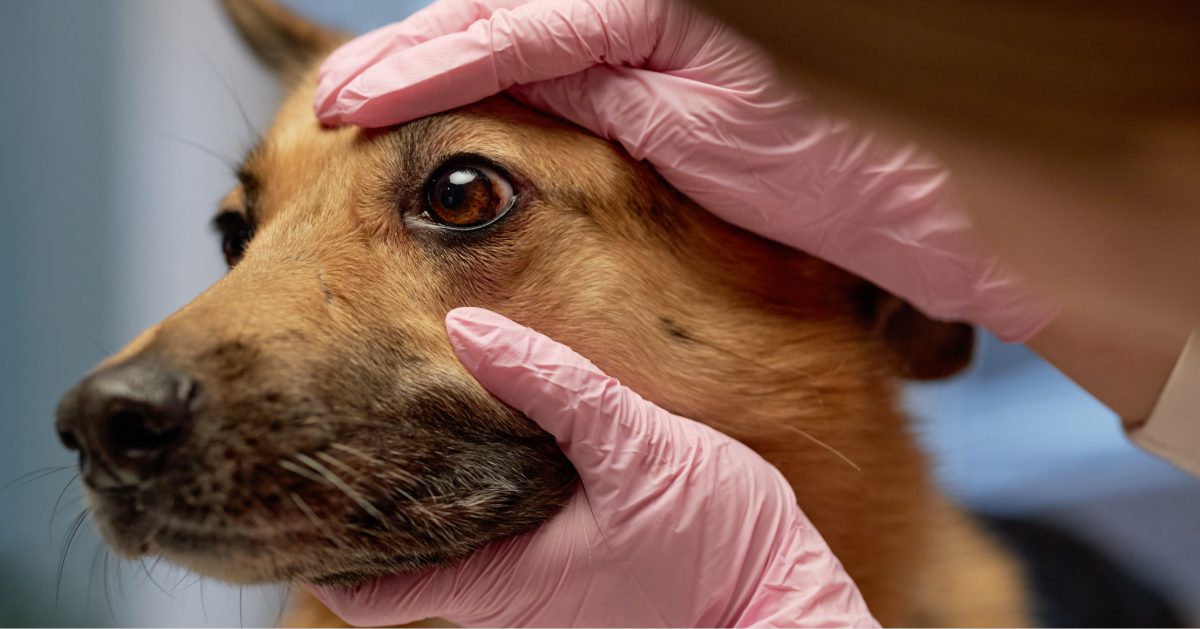
What Pink Eye Really Means in People and Dogs
Pink eye, also called conjunctivitis, describes inflammation of the conjunctiva, the thin tissue covering the white part of the eye and inner eyelids. In humans, this inflammation may come from bacteria, viruses, allergies, irritants, or underlying medical issues. In dogs, conjunctivitis can also stem from infections, foreign material, dry eye, eyelid structure, or systemic illness. Because the same word describes different causes, confusion often follows when people ask, “Can you get pink eye from a dog?”
The appearance of pink eye looks similar across species, which adds to the concern. Redness, discharge, swelling, and discomfort often show up in both dogs and people. Still, not every case involves a contagious organism. Some forms remain strictly noninfectious and never pose a risk to other family members, whether human or canine. That distinction matters when discussing transmission.
Veterinarians focus on identifying the source of inflammation rather than relying only on appearance. That diagnostic approach allows them to determine whether a condition carries any potential for cross-species spread. Without that clarity, assumptions about risk can easily mislead pet owners.
Can You Get Pink Eye From a Dog Through Infection?
When people ask if you can get pink eye from a dog, they usually worry about catching something contagious. In rare situations, bacteria that affect dogs may also irritate human eyes. Certain organisms such as Staphylococcus or Streptococcus species can exist in both environments. Transmission typically requires close contact with discharge or contaminated hands, fabrics, or surfaces.
Viral conjunctivitis in dogs generally differs from the viruses that affect humans. That means many viral eye infections do not cross between species. Allergic conjunctivitis also stays limited to the individual experiencing the reaction. These details explain why veterinarians rarely see direct transmission as a routine problem.
Still, rare does not mean impossible. Close household living, shared spaces, and daily handling increase exposure opportunities. That reality explains why the question “Can you get pink eye from a dog?” continues to appear in veterinary and medical conversations.
How Transmission Could Happen in a Household
Understanding how infections move helps clarify why possibly getting pink eye from a dog remains such a common concern. Bacteria typically spread through contact. A person may touch a dog’s eye discharge, then rub their own eye. Bedding, towels, clothing, and furniture can also act as short-term carriers.
Children often face higher risk because they touch faces more frequently and may forget to wash hands after petting animals. Dogs that rub their faces on people or furniture can also increase exposure to eye secretions. None of these scenarios guarantee infection, but they explain how transmission might occur.
Environmental hygiene plays a role, yet professional evaluation always matters more than assumptions. Veterinarians help identify whether a dog’s conjunctivitis has any contagious component at all. That information alone can reduce unnecessary worry.
Symptoms That Help Separate Human and Canine Conjunctivitis
Pet owners asking “Can you get pink eye from a dog?” often try to compare symptoms. In people, pink eye may include itching, burning, blurred vision, discharge, and light sensitivity. In dogs, you may notice squinting, pawing at the eye, redness, swelling, or thick discharge around the eyelids.
Dogs may also show behavior changes such as decreased activity or avoidance of bright areas. Some dogs develop conjunctivitis as part of another eye condition, such as corneal irritation or dry eye disease. That difference matters because underlying causes affect treatment direction.
Comparing symptoms helps families recognize when both dogs and humans need professional care. It also reminds everyone that eye issues deserve timely evaluation instead of waiting for spontaneous improvement.
Why Diagnosis Matters More Than Assumptions
The question “Can you get pink eye from a dog?” often leads people to rely on internet guesses instead of veterinary guidance. That approach may delay proper care for pets and increase stress for families. Diagnosis allows veterinarians to determine whether bacteria, viruses, allergies, or physical irritants caused the inflammation.
Testing methods may include eye staining, tear production measurement, and microscopic evaluation. These steps help identify whether an infection poses any risk to other household members. Without this clarity, pet owners may overestimate or underestimate the situation.
Professional diagnosis also supports accurate communication between veterinarians and human healthcare providers if needed. This collaboration improves outcomes for both species when cross-infection concerns arise.
Bacterial Causes and Cross-Species Concerns
Bacterial conjunctivitis receives the most attention when people ask, “Can you get pink eye from a dog?”. Certain bacteria can survive on surfaces for short periods. Transmission usually requires direct contact with discharge or contaminated hands. Even then, infection depends on individual immunity, eye health, and hygiene habits. Healthy eyes with intact tear films resist bacteria more effectively. That reality explains why exposure does not always result in infection. Veterinarians aim to reduce bacterial load quickly through targeted care. This approach lowers discomfort for dogs and minimizes environmental spread.
Viral and Allergic Pink Eye Differences
Viral conjunctivitis rarely crosses between dogs and humans. Canine viruses differ significantly from human viruses. Allergic conjunctivitis involves immune responses rather than infectious organisms, which means no transmission risk exists. These distinctions show why the blanket question of whether you can get pink eye from a dog requires a more nuanced answer. Not all pink eye is created equal, and not all cases involve contagious agents.
When to Seek Veterinary and Medical Care
Eye conditions progress quickly, which makes early evaluation important. If your dog shows redness, discharge, or persistent squinting, veterinary care should occur promptly. Likewise, human eye irritation should receive medical attention from a healthcare provider. Prompt care protects comfort, vision, and overall health. It also clarifies whether any cross-species risk exists. This step alone often answers the question, “Can you get pink eye from a dog?”, with far more certainty than speculation. Families benefit when both veterinary and human medical professionals stay involved in managing eye health concerns.
How Veterinarians Help Protect the Entire Household
Auburndale Veterinary Clinic approaches eye health with both precision and compassion. Our team evaluates your dog’s symptoms carefully, identifies likely causes, and explains any potential risk to your family. This communication helps pet owners understand whether the concern behind if you can get pink eye from a dog applies in their specific situation.
Veterinarians also guide families on environmental management during treatment. While they do not provide in-home medical instructions, they explain professional recommendations clearly and thoroughly. This partnership supports recovery and peace of mind. Your dog’s comfort remains the priority, but your household’s well-being matters too. Veterinary guidance connects those goals effectively.
The Role of Preventive Veterinary Visits
Routine wellness exams allow veterinarians to identify eye concerns early. Early detection often prevents progression into more complicated conditions. Preventive care also reduces the likelihood of confusion when symptoms appear. These visits strengthen trust between families and veterinary teams. They also provide ongoing education that makes questions like “Can you get pink eye from a dog?” easier to answer with confidence.
Why Local Knowledge Matters in Eye Health
Auburndale’s warm, humid environment can influence eye irritation in both people and pets. Dust, pollen, and seasonal allergens affect conjunctival tissues. Local veterinary insight helps separate environmental irritation from infectious disease. When pet owners ask, “Can you get pink eye from a dog?”, context matters. Regional conditions, lifestyle factors, and household routines all shape risk levels. Local veterinary guidance offers clarity that generalized online articles often miss.
How Communication Reduces Fear and Misinformation
Fear spreads faster than bacteria. Many families worry excessively once the phrase “Can you get pink eye from a dog?” enters the conversation. Clear communication replaces fear with understanding. Veterinarians explain what is likely, what is rare, and what steps professionals take next. This approach helps families make informed decisions instead of reacting emotionally. It also reinforces trust in professional care. Open dialogue supports better outcomes for dogs and people alike.
Eye Health Awareness for Dog Owners
Eye health deserves attention because vision affects quality of life. Dogs rely on their eyes for navigation, play, and social interaction. Addressing conjunctivitis quickly preserves comfort and prevents complications. Pet owners who understand “Can you get pink eye from a dog?” is a nuanced question feel more confident seeking care. They also become better advocates for their pets’ well-being. Education empowers families to act promptly and wisely.
Supporting Your Dog’s Eye Comfort With Professional Care
When your dog shows signs of eye irritation, veterinary evaluation provides clarity and direction. It answers the question, “Can you get pink eye from a dog?” with facts instead of fear. It also ensures your dog receives appropriate attention based on accurate diagnosis. Auburndale Veterinary Clinic welcomes the opportunity to support both your dog and your family. Our team values education, transparency, and compassionate care. If you notice changes in your dog’s eyes or have concerns about possible conjunctivitis, call (863) 967-5854 to schedule an appointment. Your dog’s comfort, your household’s confidence, and your peace of mind all begin with informed veterinary care.
Recent Posts
About Us
Even long after they’re gone, we never forget our beloved pets. They make our families whole and bring so much joy to our lives. Our veterinarians and staff in Auburndale, FL know that the human-animal bond is sacred. To protect that bond, we aim to provide the highest level of medicine and the kindest, most compassionate care we can. Our goal is to help you help your pet stay healthy and happy for as long as possible. With wellness and preventative care, medical care for illnesses and injuries, routine surgery, dentistry and more, you can rest assured that all your pet’s needs are being met.