

Our Veterinary Blog
7 Reasons Why Your Dog Keeps Getting an Ear Infection
Ear infections in dogs develop when bacteria, yeast, or inflammation take over the ear canal. When a dog keeps getting an ear infection, it usually means an underlying trigger continues to irritate the ear and create a moist, inflamed environment where organisms thrive. Ear infections in dogs can affect any breed, age, or lifestyle, and repeated infections often signal that the ears need closer evaluation and a more tailored care plan.
At Auburndale Veterinary Clinic, we see many cases of chronic and recurring ear infections in dogs. Some clear up quickly, while others return again and again despite treatment. Understanding what causes their ear infections helps pet owners recognize risk factors early and take steps to reduce future flare‑ups. If your dog struggles with repeated ear infections, call (863) 967‑5854 to schedule an exam and discuss a long‑term plan.
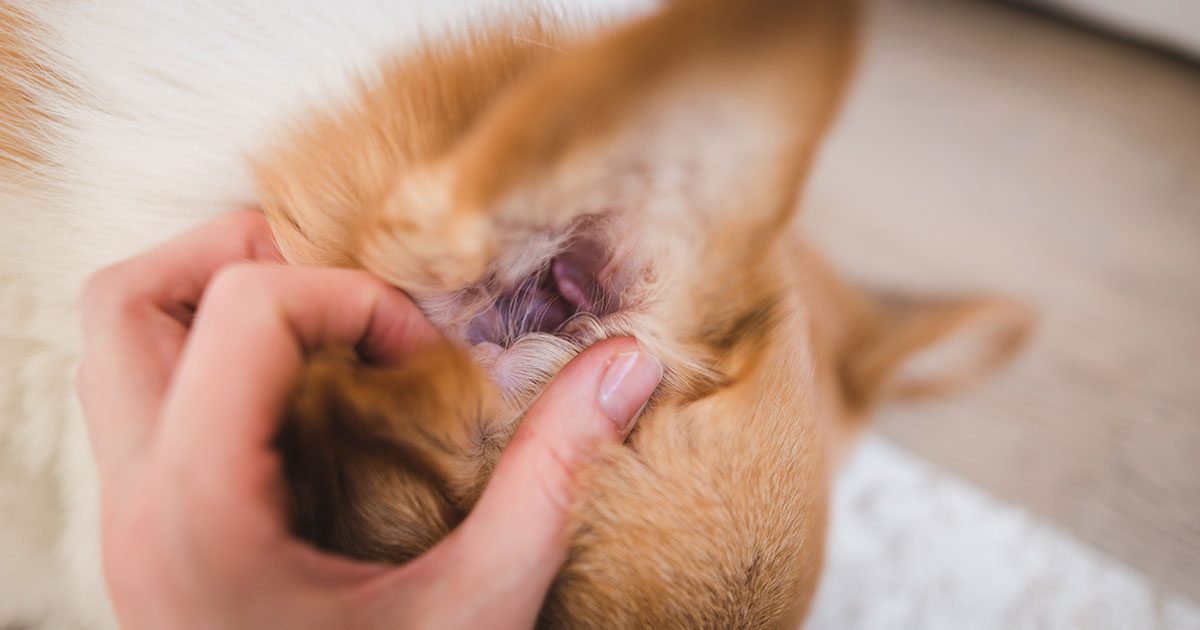
Reasons Your Dog Keeps Getting an Ear Infection
Dogs can develop ear infections for many different reasons, and more than one factor often contributes to repeated episodes. Below are the most common causes of ear infections in dogs that we see in Auburndale.
1. Allergies
Allergies remain one of the leading causes of recurring dog ear infections. Environmental allergens such as pollen, mold, and dust mites, along with certain food ingredients, can trigger inflammation inside the ear canal. This inflammation weakens the skin’s protective barrier and allows bacteria or yeast to multiply. Dogs with allergies often show itching in the ears, paws, or skin along with repeated ear infections.
2. Moisture in the Ear Canal
Warm, humid conditions in Florida increase moisture inside the ear canal. Dogs that swim, bathe frequently, or spend time in wet grass may trap water in their ears. Moisture changes the ear’s natural balance and encourages yeast and bacteria to grow. Over time, this leads to chronic ear infections in dogs.
3. Ear Shape and Anatomy
Dogs with long, floppy ears or narrow ear canals experience reduced airflow. Limited airflow allows heat and moisture to build up inside the ear, creating ideal conditions for infection. Breeds such as Cocker Spaniels, Basset Hounds, and Labradors often experience ear infections more frequently due to ear structure alone.
4. Excess Wax Production
Some dogs naturally produce more earwax than others. When wax builds up, it traps debris and organisms inside the ear canal. This environment increases the risk of infection and makes it harder for the ear to stay healthy between cleanings. Excess wax also blocks medications from reaching deeper areas during treatment.
5. Foreign Material
Grass seeds, sand, and small debris can enter the ear canal during outdoor play. These materials irritate the delicate skin inside the ear and may introduce bacteria. Even a tiny foreign object can trigger inflammation that turns into a painful ear infection.
6. Hormonal or Immune Conditions
Certain internal health conditions affect how well the body controls inflammation and infection. Dogs with hormonal imbalances or immune system challenges may experience repeated ear infections despite proper care. These dogs often need additional diagnostic testing to uncover the root cause.
7. Incomplete Resolution of Previous Infections
When an ear infection does not fully clear, organisms may remain deep within the ear canal. Over time, these organisms multiply and cause another flare‑up. Repeated ear infections often indicate that the underlying inflammation never fully resolved.
Symptoms of Ear Infections
Dog ear infections produce noticeable signs that often worsen quickly without treatment. Early recognition helps reduce discomfort and prevents deeper ear damage.
Common symptoms of ear infections in dogs include:
- Head shaking or tilting
- Scratching or rubbing the ears
- Redness or swelling inside the ear
- Discharge with an unpleasant odor
- Sensitivity when the ear is touched
- Changes in balance or hearing
When Ear Infections Become Chronic
Repeated ear infections can thicken the ear canal tissue and reduce airflow even further. Over time, chronic inflammation makes each new ear infection harder to treat. Dogs with long‑term ear disease may also experience hearing loss and persistent discomfort.
Prevention Tips
While no plan eliminates every risk, consistent care can reduce how often ear infections return.
Helpful prevention strategies include:
- Keeping ears dry after swimming or bathing
- Checking ears weekly for redness or odor
- Scheduling routine veterinary ear evaluations
- Managing underlying allergies
- Maintaining a healthy immune system
Why Routine Ear Checks Matter
Early changes inside the ear often appear before major symptoms develop. Routine checks allow veterinary teams to address mild inflammation before it turns into a full ear infection. This approach lowers discomfort and helps protect long‑term ear health.
Treatment Options
Treatment for ear infections in dogs depends on the cause, severity, and history of previous infections. A proper exam allows the veterinary team to identify whether bacteria, yeast, inflammation, or foreign material contributes to the problem.
Treatment plans often focus on:
- Removing debris and discharge
- Reducing inflammation
- Restoring the ear’s natural environment
- Addressing underlying triggers
Each dog experiences ear infections differently. What works for one dog may not work for another. Personalized care improves comfort, reduces recurrence, and supports long‑term ear health.
Frequently Asked Questions About Dog Ear Infections
How long do ear infections in dogs usually last?
The duration varies based on severity, underlying causes, and how early treatment begins. Some infections resolve quickly, while others require ongoing management.
Can ear infections in dogs spread to the inner ear?
Yes. Untreated ear infections may progress deeper, leading to balance problems and more serious complications.
Are dog ear infections contagious?
Most ear infections are not contagious between dogs, but shared environments can increase exposure to bacteria or yeast.
Why does my dog keep getting ear infections in the same ear?
Structural changes, scar tissue, or trapped organisms often cause repeated infections in the same ear.
Supporting Your Dog’s Ear Health in Auburndale, FL
Dog ear infections cause discomfort, behavioral changes, and long‑term ear damage when they continue to return. Understanding why ear infections in dogs happen allows pet owners to take proactive steps toward healthier ears. Consistent monitoring, early evaluation, and individualized care make a meaningful difference.
If your dog keeps getting an ear infection or shows signs of discomfort, call Auburndale Veterinary Clinic at (863) 967‑5854 to schedule an exam. Our team is here to help your dog feel more comfortable and stay healthier year‑round.
Recent Posts
About Us
Even long after they’re gone, we never forget our beloved pets. They make our families whole and bring so much joy to our lives. Our veterinarians and staff in Auburndale, FL know that the human-animal bond is sacred. To protect that bond, we aim to provide the highest level of medicine and the kindest, most compassionate care we can. Our goal is to help you help your pet stay healthy and happy for as long as possible. With wellness and preventative care, medical care for illnesses and injuries, routine surgery, dentistry and more, you can rest assured that all your pet’s needs are being met.