

Our Veterinary Blog
Cat Tail Injury: Everything You Need to Know
A cat tail injury can happen in seconds, yet its effects can last far longer than many pet owners expect. A tail caught in a door, stepped on accidentally, or injured during play may look minor at first, but the tail plays a vital role in balance, movement, and communication. Because cats rely on this flexible extension of their spine for daily function, any injury deserves careful attention. This guide explains how cat tail injuries occur, what symptoms to watch for, and why veterinary evaluation matters. If you notice changes in your cat’s tail, Auburndale Veterinary Clinic in Auburndale, FL is equipped to help. Call (863) 967-5854 to schedule an appointment.
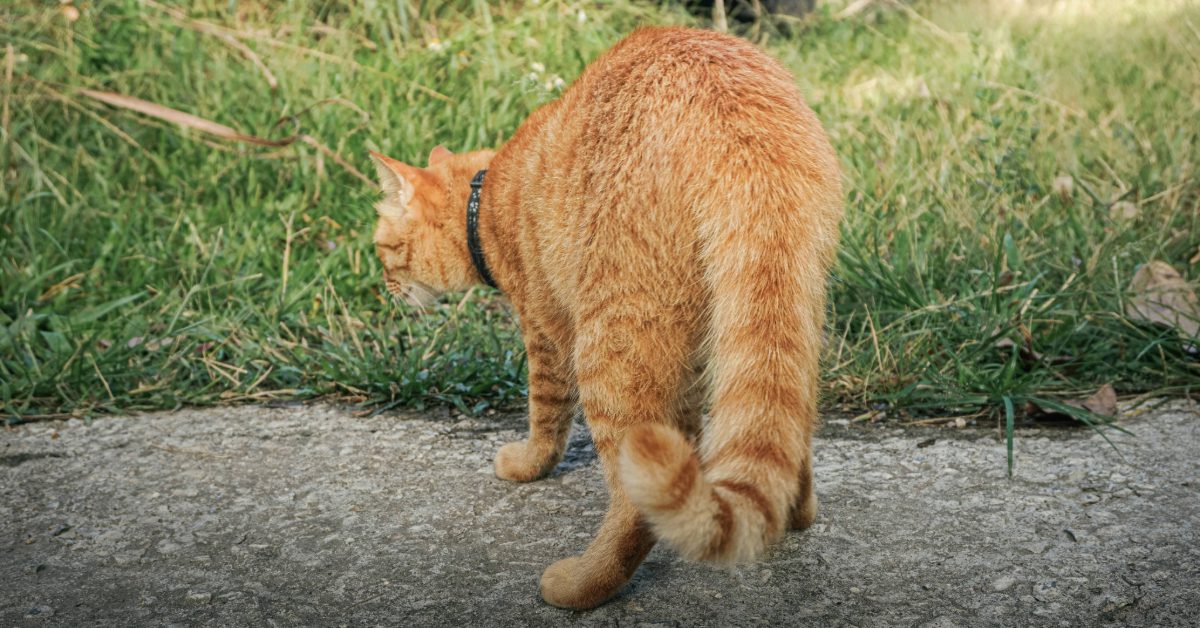
What a Cat Tail Injury Really Means
A cat tail injury refers to damage involving the bones, nerves, muscles, skin, or blood supply within the tail. Since the tail connects directly to the spine, injuries in this area often affect more than surface tissues. Some cases involve bruising or swelling, while others may include fractures or nerve disruption.
The tail supports balance during walking, climbing, and jumping. It also helps cats express confidence, fear, curiosity, and irritation. When a cat tail injury interferes with these functions, owners often notice posture changes, reduced activity, or altered behavior.
Not every injury appears dramatic. Mild swelling, subtle drooping, or tenderness can still indicate deeper involvement. Because of this, any change affecting tail movement or comfort should be evaluated by a veterinarian.
How Cat Tail Injuries Commonly Occur
A cat tail injury often results from everyday household situations. Doors, drawers, and reclining furniture remain frequent causes. Outdoor cats face additional risks from fences, vehicles, and territorial conflicts. Playful moments can also turn into accidents. A sudden leap or slip may twist the tail awkwardly. In multi-pet homes, rough interactions sometimes lead to tail trauma even without visible wounds. Environmental awareness helps reduce risk, but accidents still happen. Recognizing how a cat tail injury develops helps owners respond quickly when signs appear.
Signs That Suggest a Cat Tail Injury
Cats tend to hide discomfort, so behavioral changes often appear before physical ones. A possible cat tail injury may cause:
- A tail that hangs lower than normal
- Visible swelling or bending
- Sensitivity when touched
- Reluctance to jump or climb
- Irritability or withdrawal
Some cats groom the tail excessively. Others avoid sitting normally or appear restless. When nerve involvement occurs, litter box habits may change. Any consistent shift in tail posture, comfort, or movement deserves professional evaluation.
Different Types of Cat Tail Injury
Not all injuries affect the tail in the same way. Veterinarians classify a cat tail injury based on the structures involved.
Soft Tissue Trauma
Muscle strain, bruising, or blood vessel irritation often cause swelling and warmth. These injuries may improve with proper veterinary support.
Bone Injuries
Tail fractures or dislocations create visible shape changes and significant discomfort. These injuries require careful monitoring and professional management.
Nerve-Related Injuries
When nerves become involved, cats may lose sensation or control over part of the tail. This type of cat tail injury often influences posture and daily movement.
Skin and Wound Trauma
Bites, scratches, and abrasions also fall into this category. Even small wounds can become complicated if bacteria enter the area. Each type of injury carries different implications, which is why accurate diagnosis remains essential.
Why Prompt Veterinary Care Matters
A cat tail injury involves more than comfort alone. Because the tail connects to spinal nerves, untreated trauma may affect balance, coordination, or elimination habits. Delaying care increases the chance of long-term complications. Veterinary evaluation allows professionals to identify the depth of injury and determine the safest care path. Early attention often improves comfort and supports smoother healing. Cats also experience emotional stress when injured. Proper care helps restore confidence and normal routines more quickly.
What to Expect During a Veterinary Evaluation
At Auburndale Veterinary Clinic, a cat tail injury evaluation focuses on comfort and clarity. Our veterinary team examines tail alignment, movement, and sensation while also assessing posture and overall mobility. Additional diagnostic tools may be recommended if deeper structures appear involved. Throughout the process, pet owners receive clear explanations about findings and next steps. This approach allows each cat tail injury to be managed with precision rather than guesswork.
Recovery and Long-Term Outlook
The recovery outlook for a cat tail injury varies by severity and location. Many cats recover well with professional guidance and consistent follow-up. Even when movement remains limited, cats often adapt successfully. Veterinary support focuses on comfort, function, and quality of life. Most cats return to regular activity once healing progresses. Owners often feel relieved when they understand the recovery process and what signs indicate improvement.
Reducing the Risk of Future Injuries
While no environment remains completely risk-free, awareness reduces the chance of a cat tail injury. Watching doorways, monitoring furniture movement, and observing play interactions help protect your cat. Routine observation allows owners to spot subtle changes early, which often leads to faster resolution.
When to Call Auburndale Veterinary Clinic
A cat tail injury can feel stressful, but it also opens the door for attentive care, understanding, and healing. With professional guidance and thoughtful observation, most cats regain comfort and confidence. Your cat’s tail reflects balance, communication, and emotional expression. Protecting it supports your cat’s overall well-being and daily happiness. If you ever suspect a cat tail injury, Auburndale Veterinary Clinic is ready to help every step of the way.
Any sign of swelling, drooping, pain, or behavior change involving the tail should prompt a call to our clinic. Our team provides compassionate, thorough care for tail injuries and related conditions. Call (863) 967-5854 to schedule an appointment and give your cat the attentive care they deserve.
Recent Posts
- « Previous
- 1
- 2
- 3
- 4
- Next »
About Us
Even long after they’re gone, we never forget our beloved pets. They make our families whole and bring so much joy to our lives. Our veterinarians and staff in Auburndale, FL know that the human-animal bond is sacred. To protect that bond, we aim to provide the highest level of medicine and the kindest, most compassionate care we can. Our goal is to help you help your pet stay healthy and happy for as long as possible. With wellness and preventative care, medical care for illnesses and injuries, routine surgery, dentistry and more, you can rest assured that all your pet’s needs are being met.